Merce Cunningham (1919-2009)

Merce Cunningham’s death on 26 July 2009 in Manhattan brings to a close an astonishing life in dance. Cunningham once said, ‘I didn’t become a dancer, I have always been dancing.’ His remarkable career is a testament to a man who has not only always been dancing, but who has always been pushing the boundaries of dancing, including the boundaries of how it is perceived, fashioned and presented.

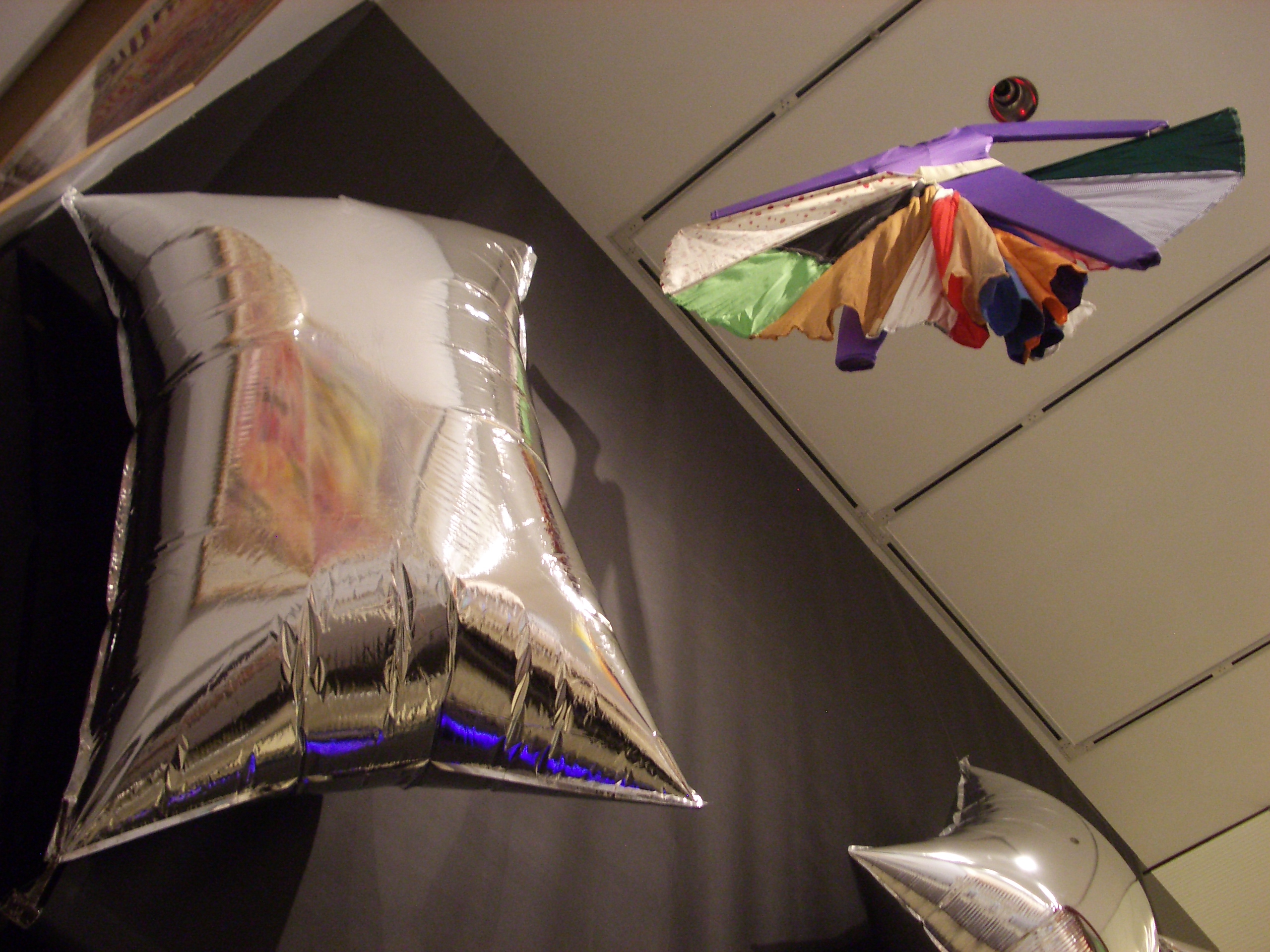
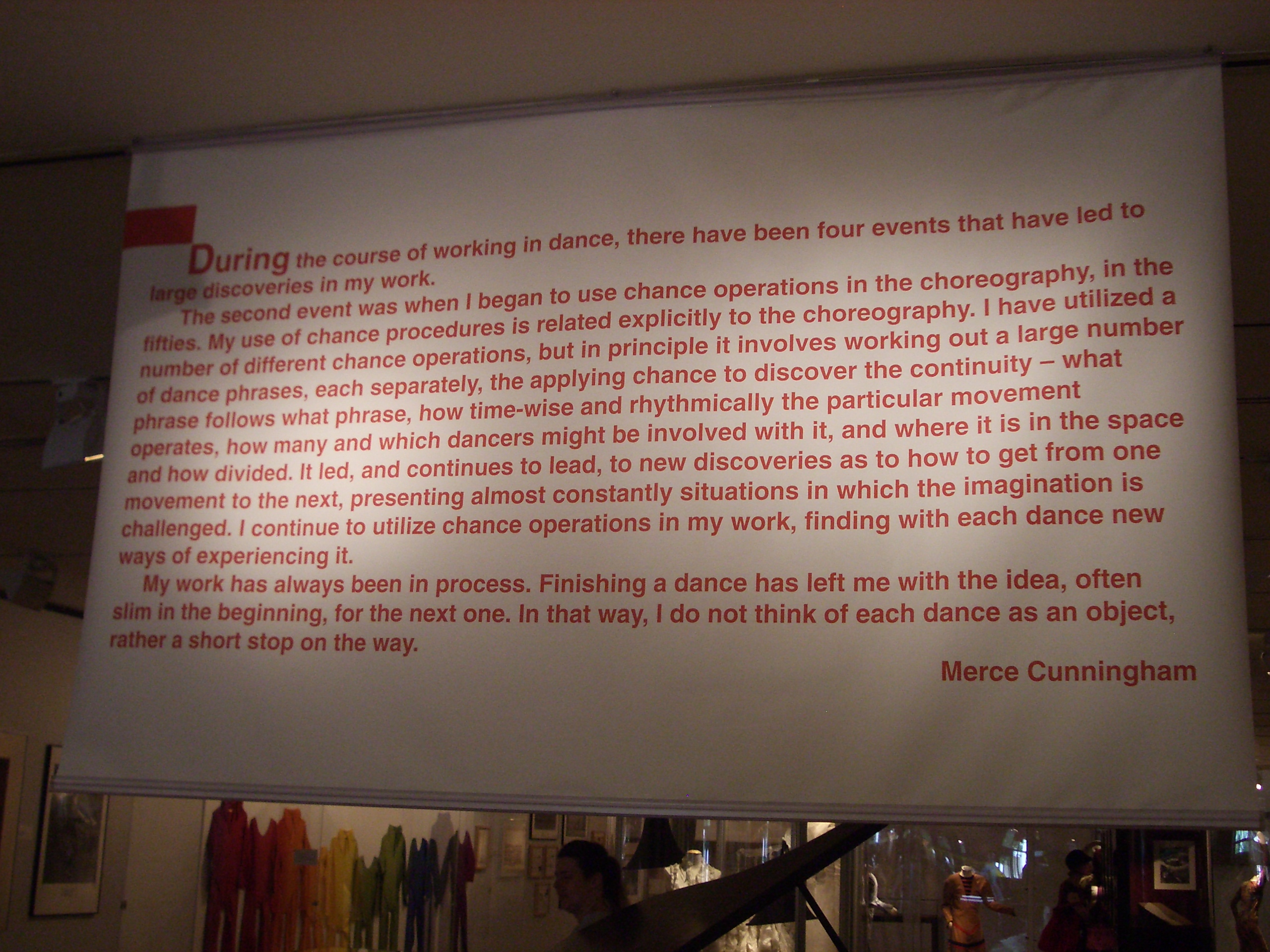
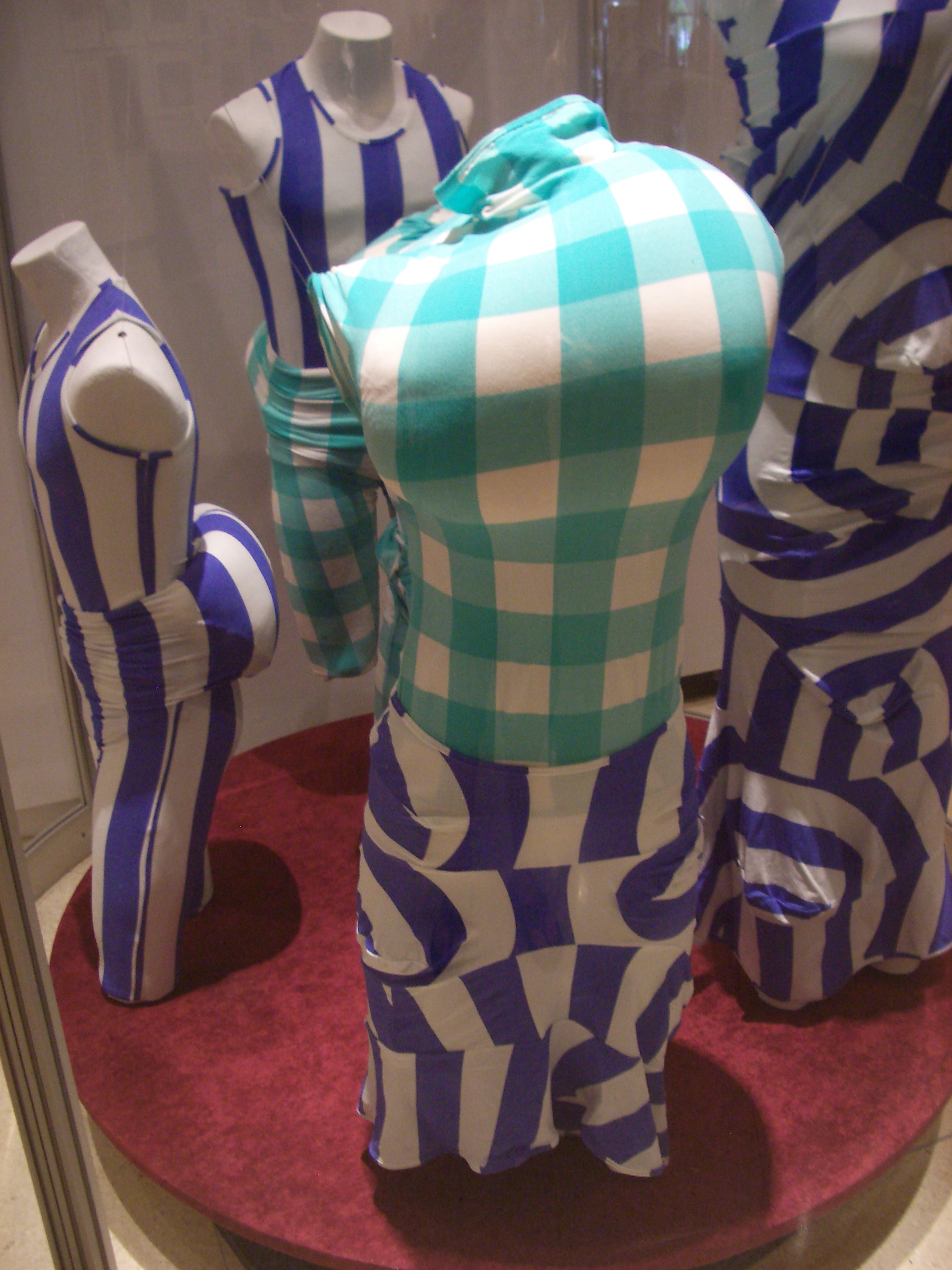
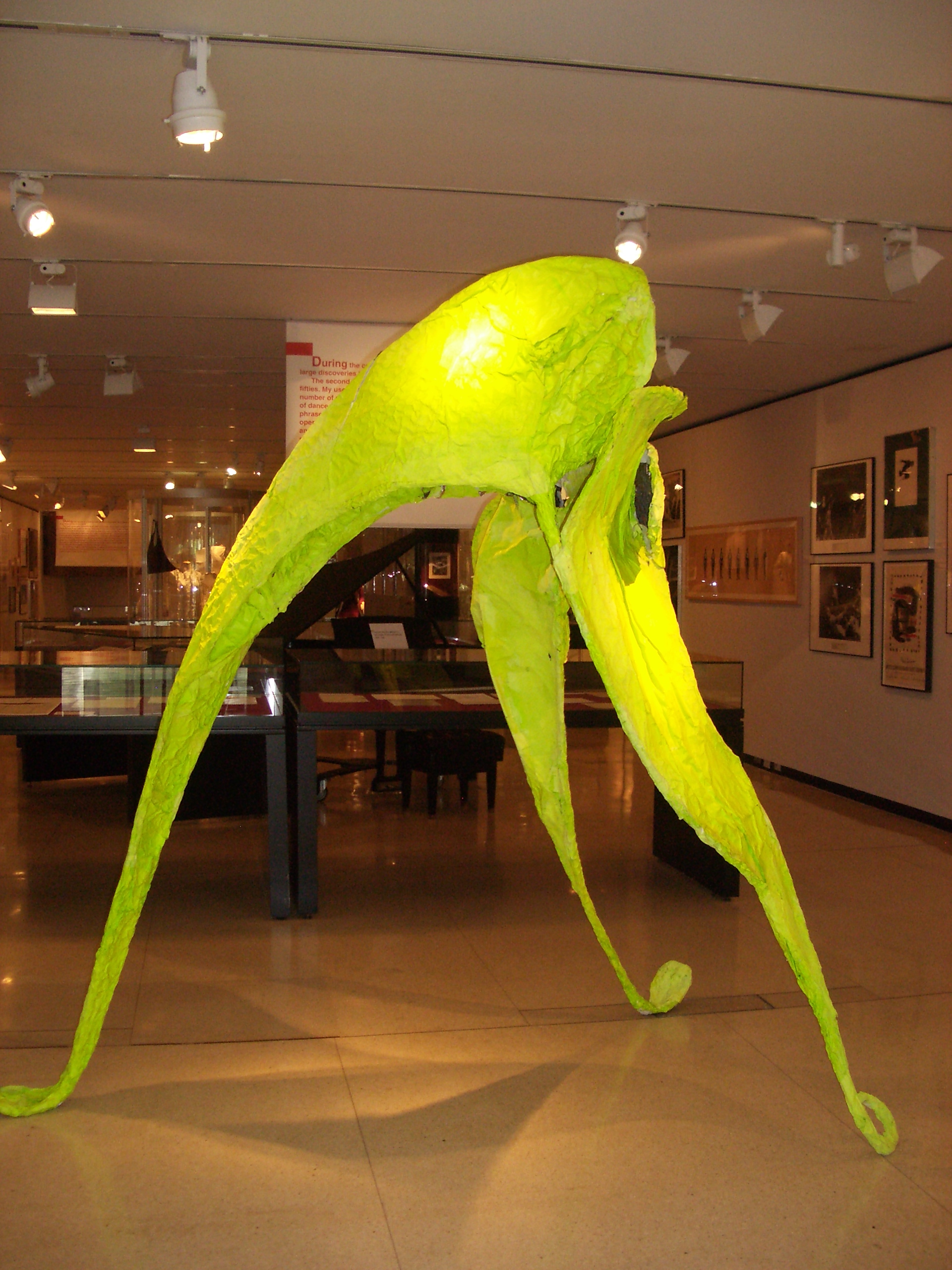
In 2007 I was in the exceptionally fortunate position of being co-curator of an exhibition, ‘INVENTION: Merce Cunningham and collaborators’, for the New York Public Library for the  Performing Arts. I was able to work with David Vaughan, revered archivist of the Cunningham company, to liaise with others in the company over selection of items, media activities and the creation of a new work to be performed as part of the exhibition. I also participated with Cunningham, Vaughan and the third curator, Barbara Cohen-Stratyner, in the media call, presenting to the audience on the key concepts behind the exhibition.

The following images are from INVENTION. They indicate in just a small way the extent of Cunningham’s engagement with artists from across a wide creative spectrum as he went about his daily activity of dancing.

Michelle Potter, 29 July 2009
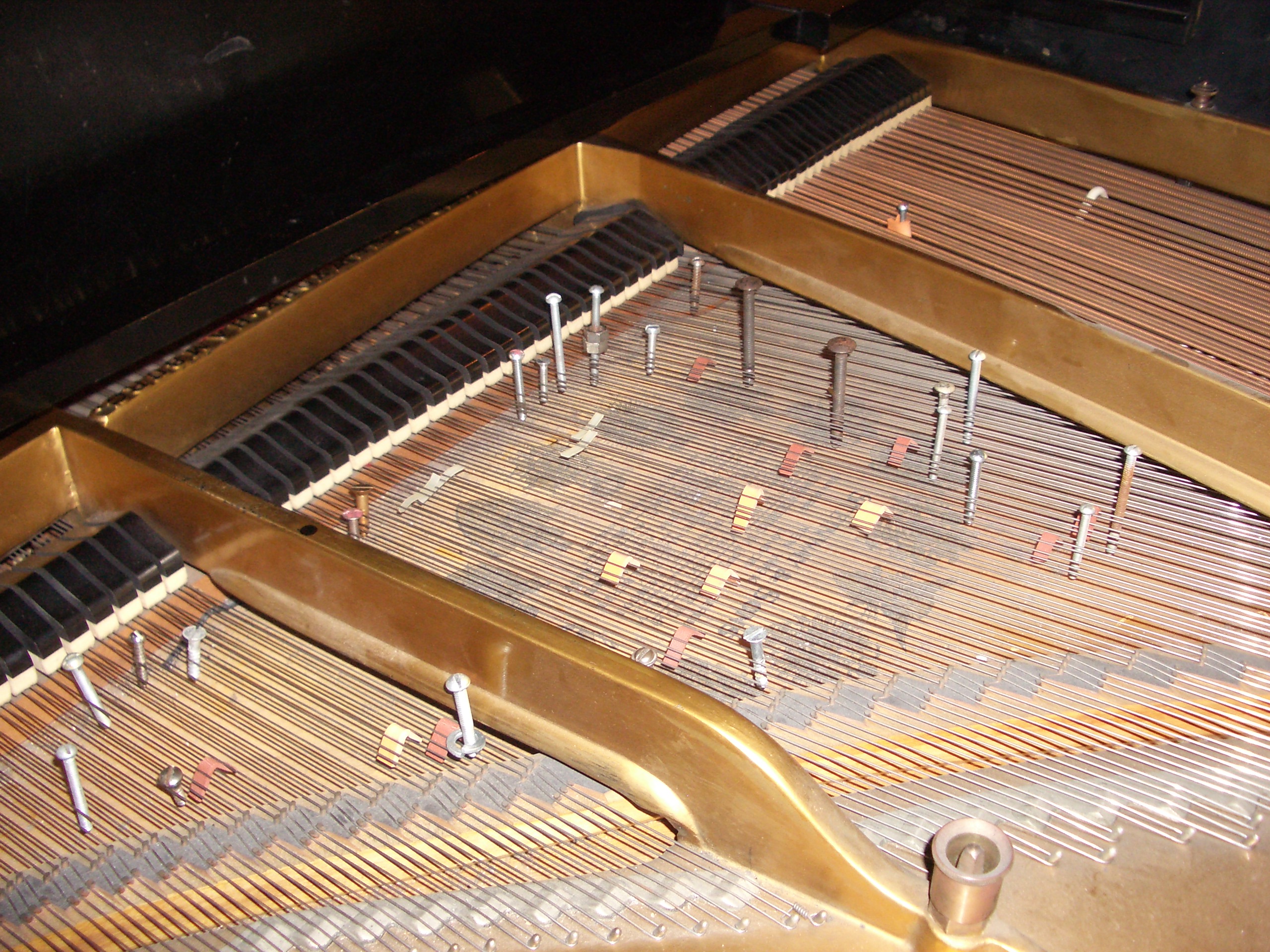
Photos: Neville Potter, 2007
Jan Fabre—beyond choreography

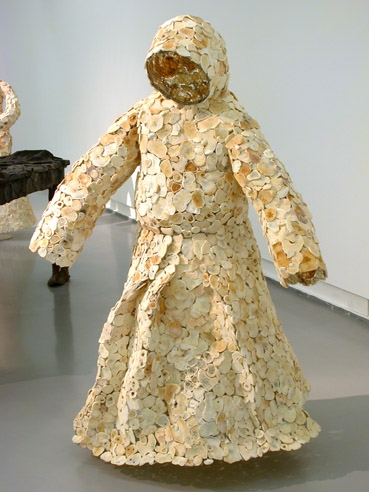
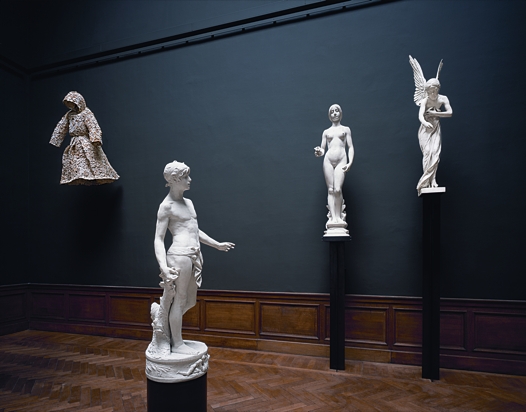
The Royal Museum of Fine Arts in Antwerp has one room devoted to sculptures that mostly allude to the past, in many cases to classical antiquity. At first glance the room appears to be simply that—a place where smooth, white marble pieces speak of a period long past.  But, suspended in one corner of the room is Bruges 3003 by Jan Fabre and when one’s eyes alight upon it one is quickly jolted out of one’s comfort zone.

Photo: Attilio Maranzano. © Angelos. Reproduced with permission.

Bruges 3003 was made in 2002, and its title thus anticipates a millennium (plus a bit more). It has an alternative title—’Monk with bones’—and is made from metal wire, human bones and animal bones. One commentator has indicated that Fabre explained these monks’ robes (and there are others in addition to the one hanging now in Antwerp) as ‘representative of a spiritual body, a kind of exoskeleton’. With their use of human remains they also pursue Fabre’s long standing and ongoing interest in the body in all possible forms.

 Photo: Muriel Aussens. © Angelos. Reproduced with permission.

Fabre has installed his work in a fashion similar to the Antwerp hang on previous occasions, notably in an exhibition in the Louvre in Paris in 2008 when various of his art works were hung alongside works by artists from the Flemish and Dutch schools, including Rembrandt and Rubens. Such hangs have not always drawn positive comments, with the Parisian newspaper Le Figaro commenting of this 2008 show  ‘…. why this mania to bring this farce into classical museums, and in particular the Louvre?’

But with his juxtapositions Fabre, who is widely known to the Australian dance community as a choreographer—perhaps more so than as a visual artist, sets up a dialogue between the old and the new, between past, present and future. The room in Antwerp becomes something of a moveable and certainly a theatrical experience. It allows the mind to jump between time periods in a spontaneous way.  A viewing is a singular joy, as are the thoughts that arise from a viewing, even down to the movement back and forth contained in the numerical palindrome of the title Bruges 3003.

 Michelle Potter, 24 July 2009

Fred and Ginger in Prague

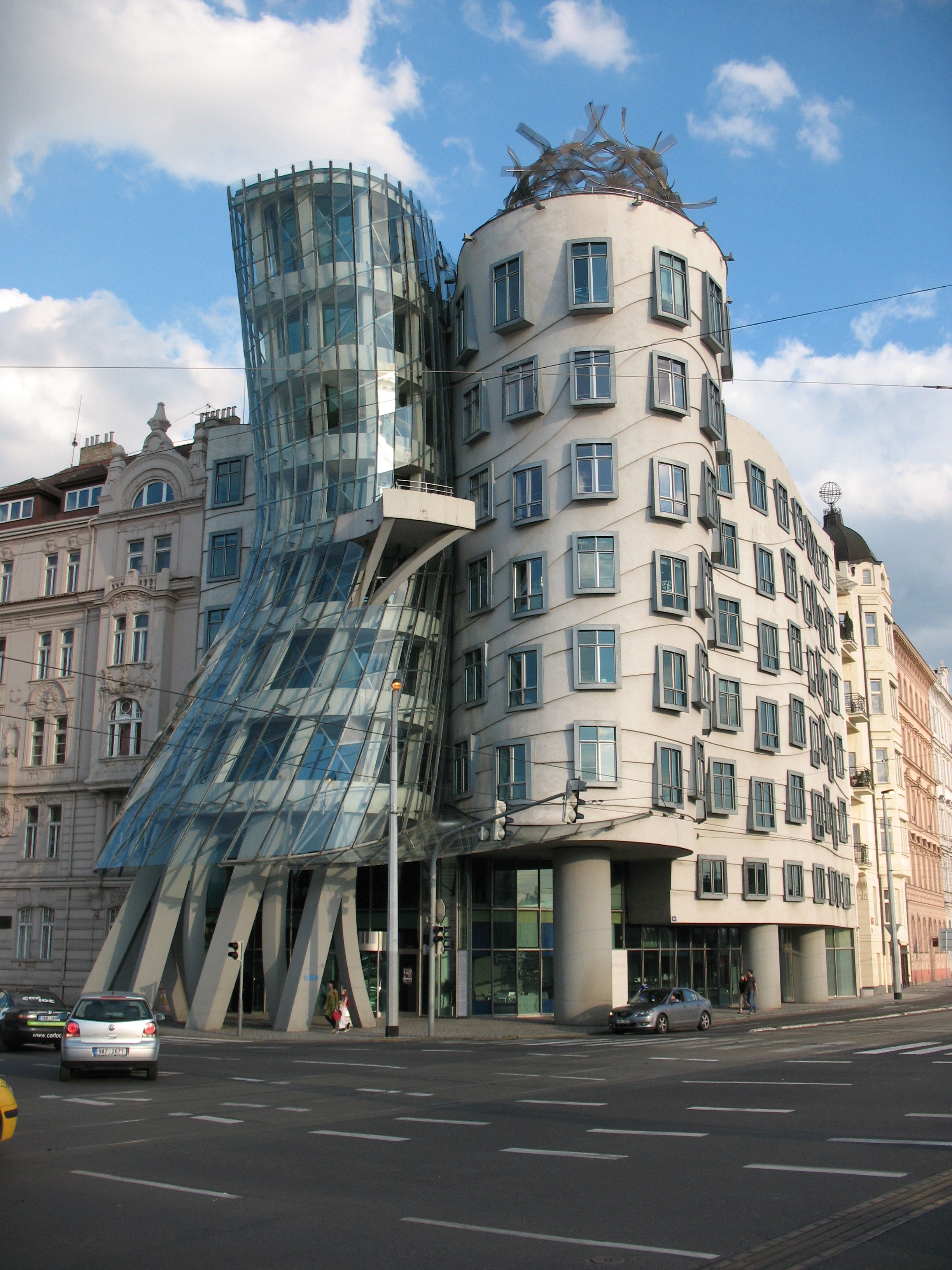
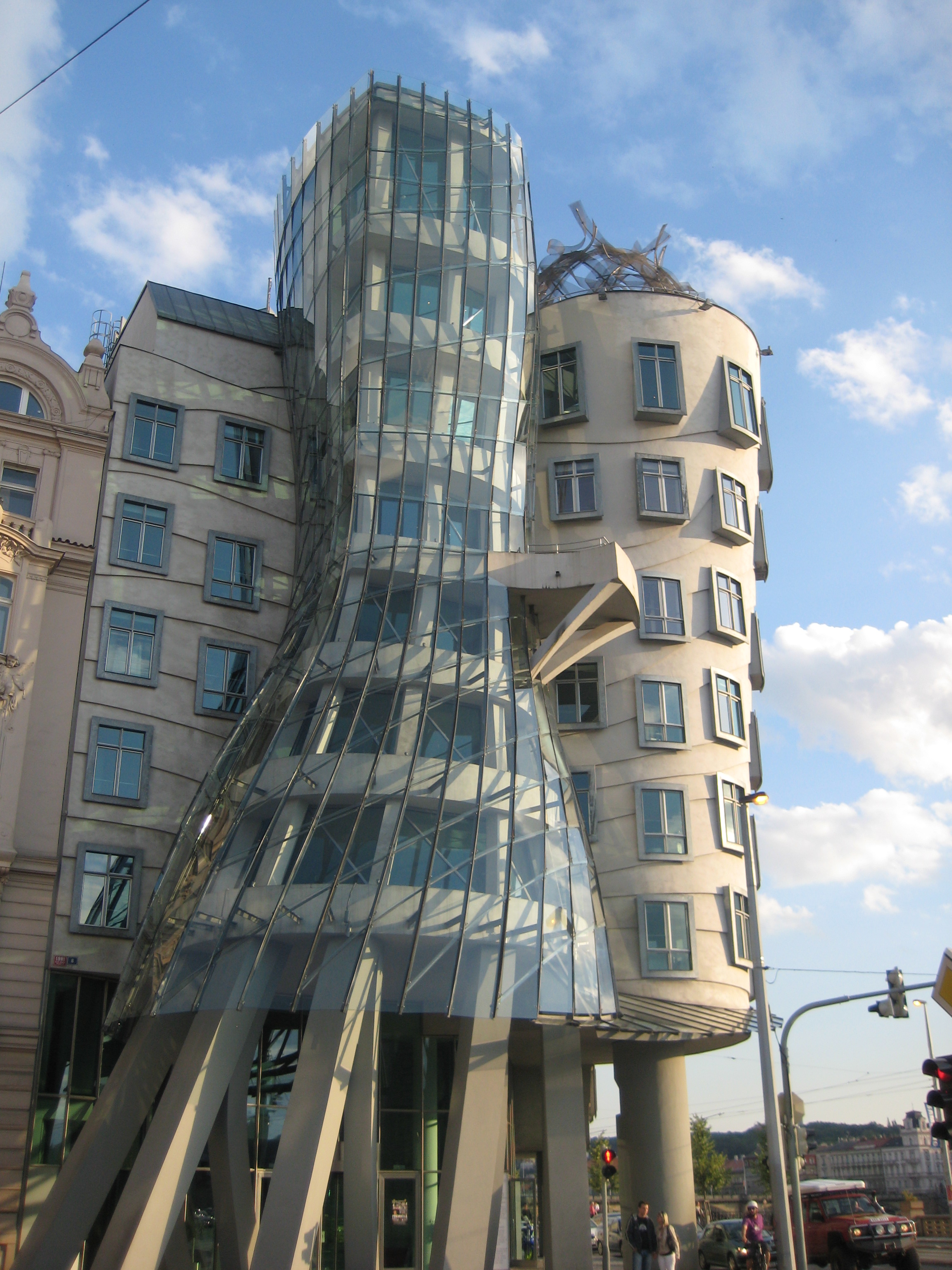
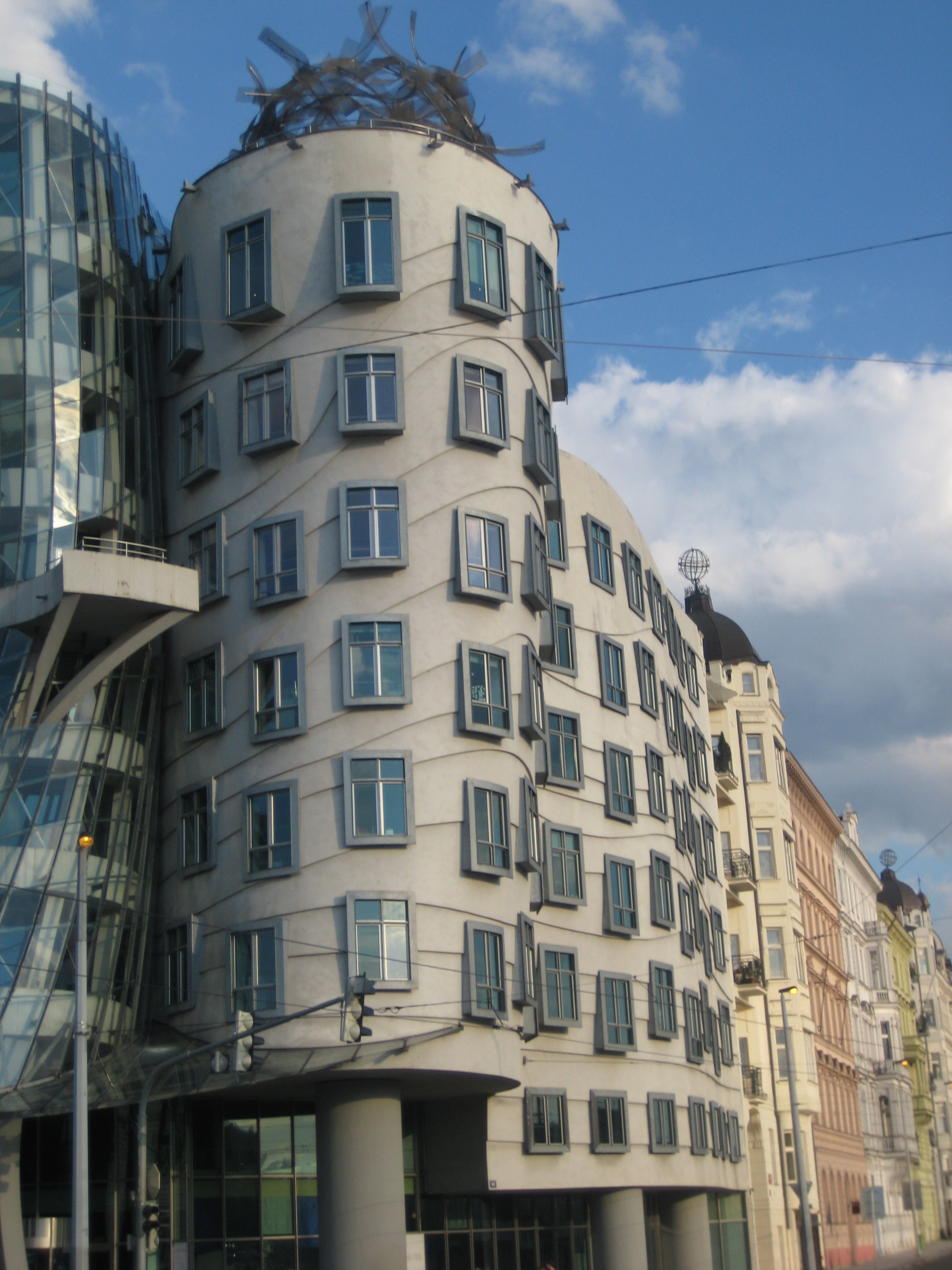
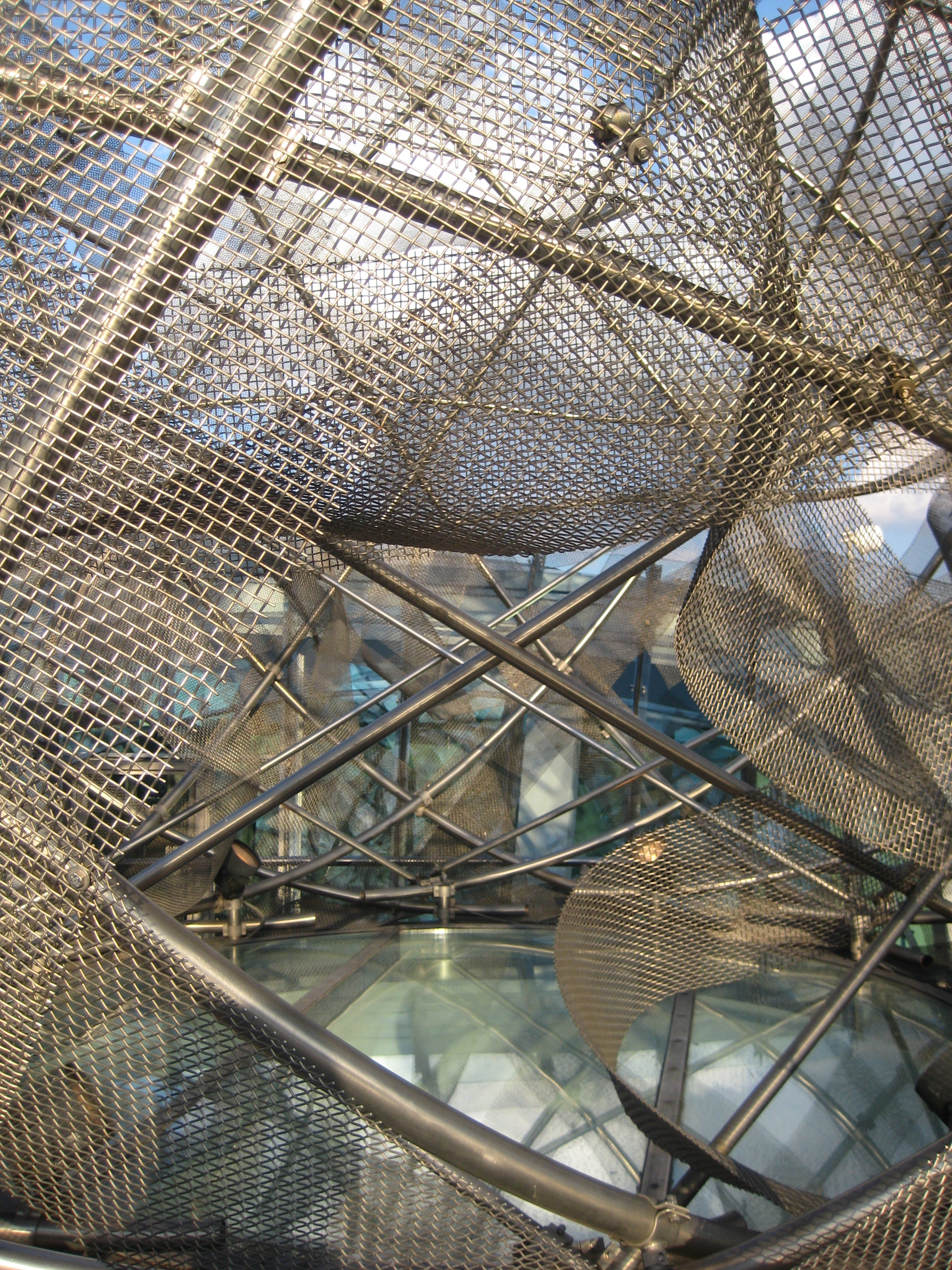
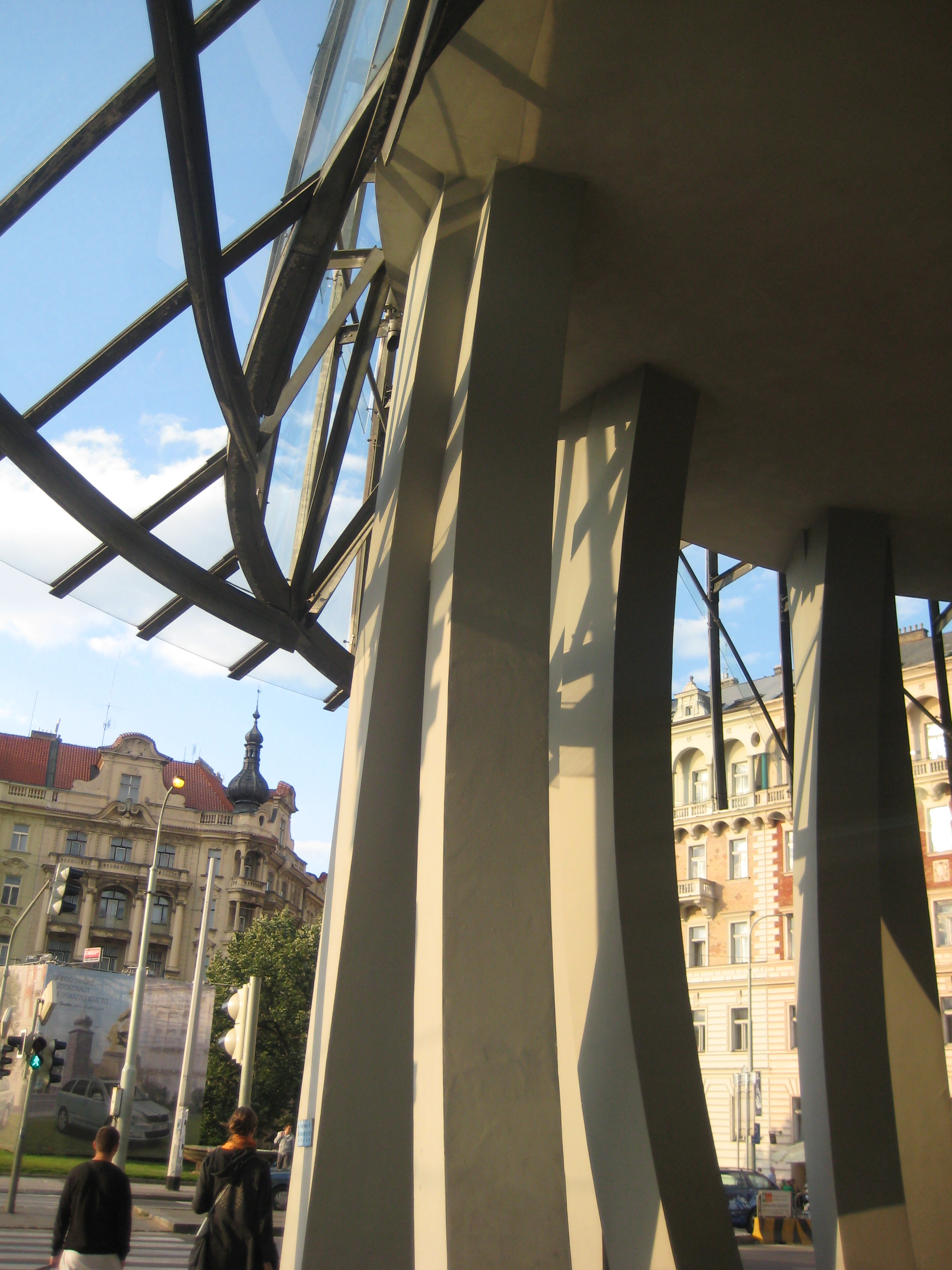
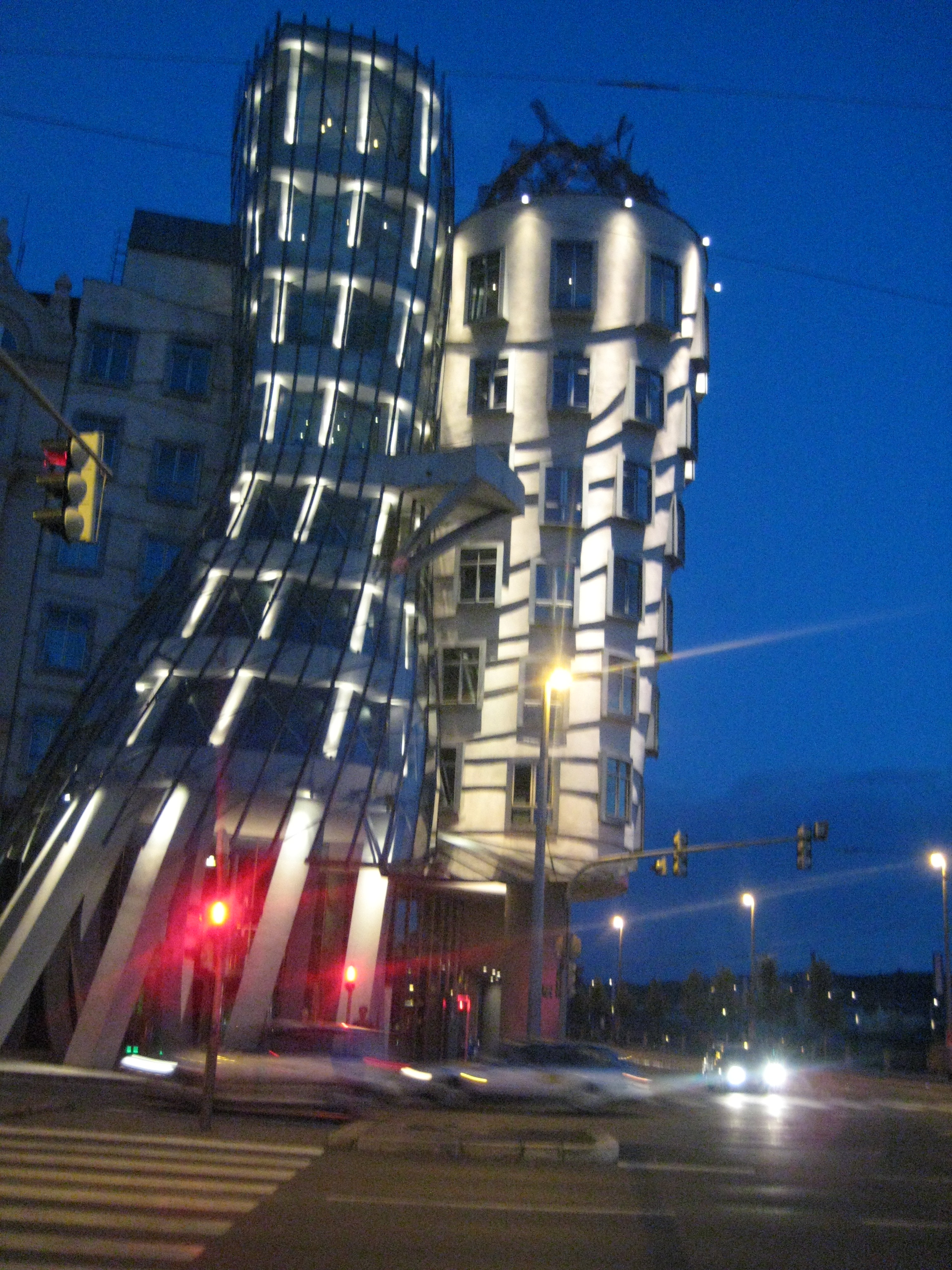
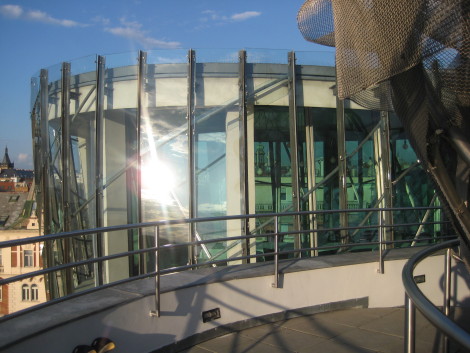
Fred and Ginger building, Jiraskuv bridge, central Prague, designed and built between 1992 and 1996 Architects: Frank Gehry with Vlado Miluni

Familiarly called Fred and Ginger after that acclaimed dancing couple Fred Astaire and Ginger Rogers, or the Dancing House and sometimes the Drunken House, officially the Rasin building (Nationale-Nederlanden building, Rašínovo nábreží 80, 120 00 Praha 2).

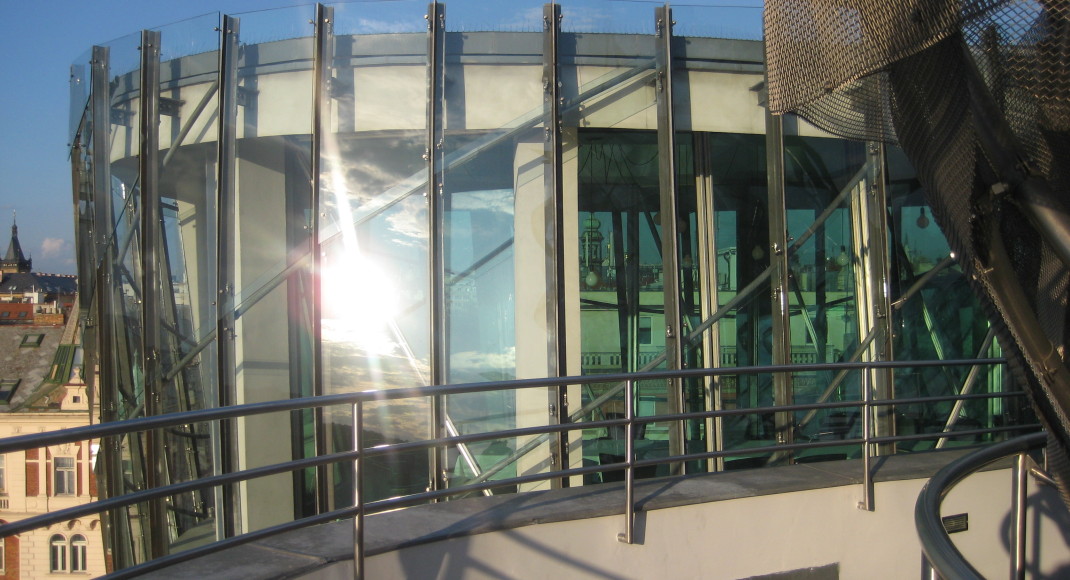
Images: (l-r, top row) Fred and Ginger by day; Mainly Ginger; Mainly Fred;
(l–r, bottom row) Fred’s dome—close-up; Ginger’s legs; Fred and Ginger by night. All photos by Michelle Potter

Michelle Potter, 22 June 2009

Featured image: Looking at Ginger from Fred

Royal Cambodian Ballet

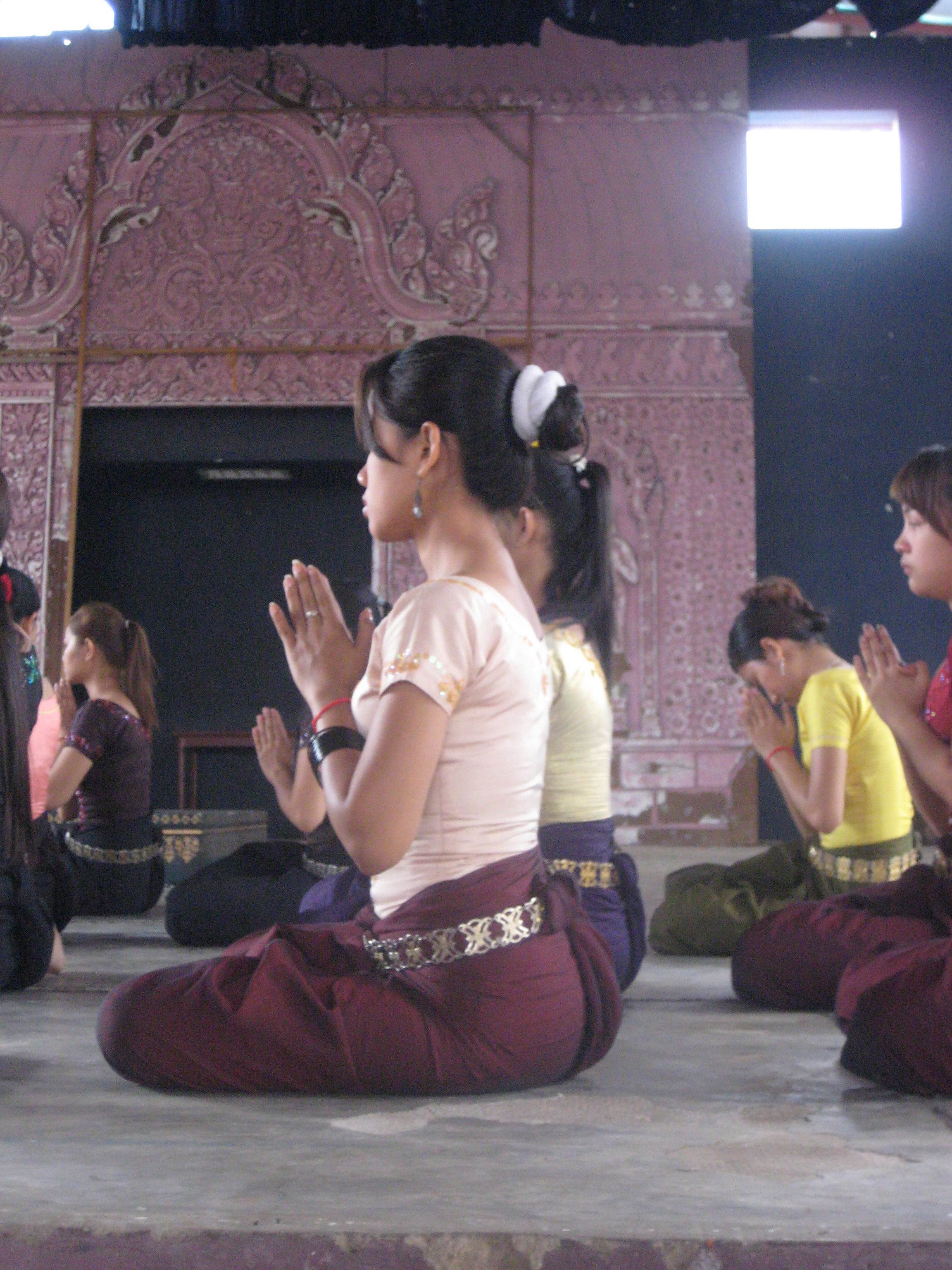
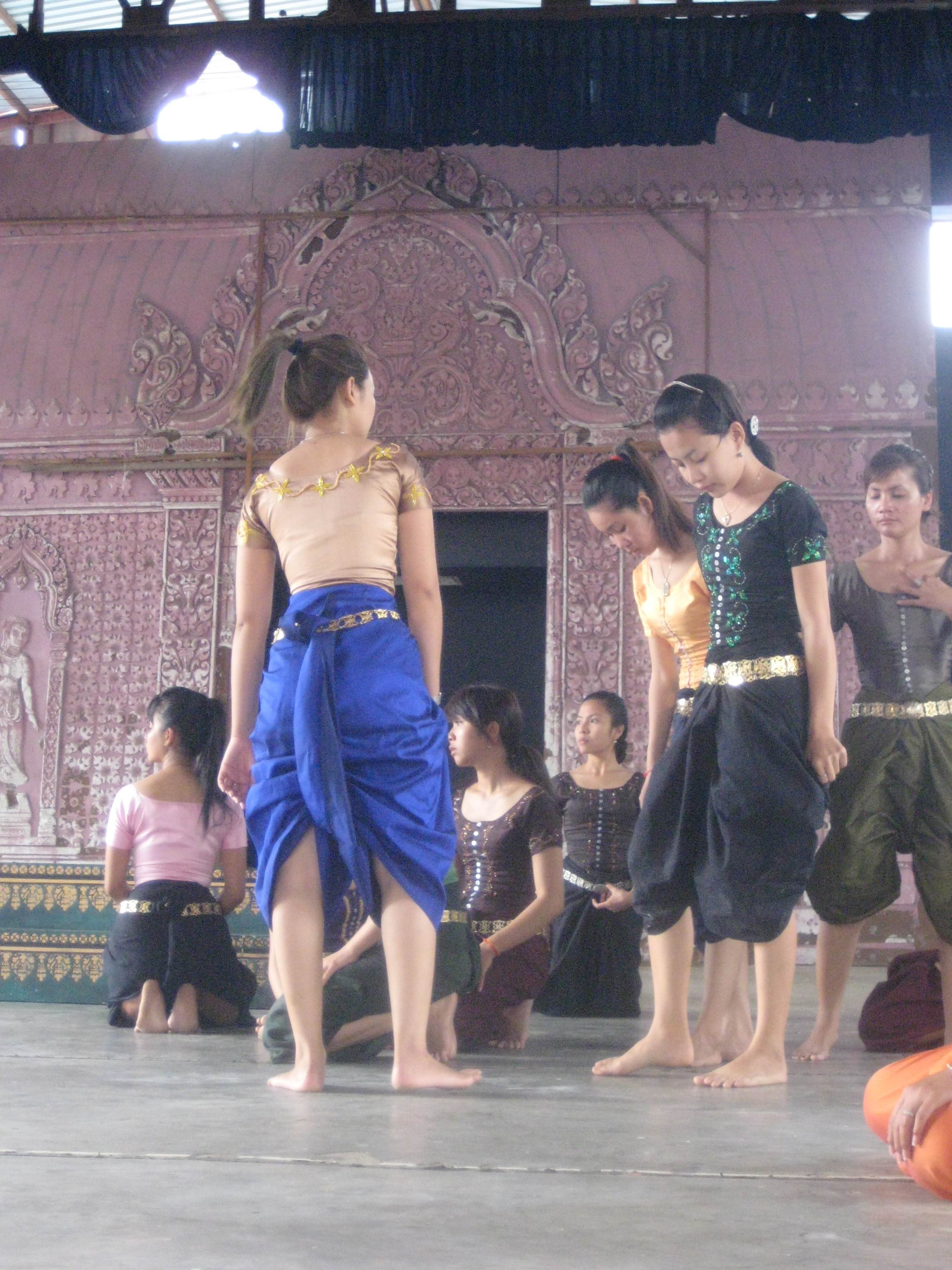
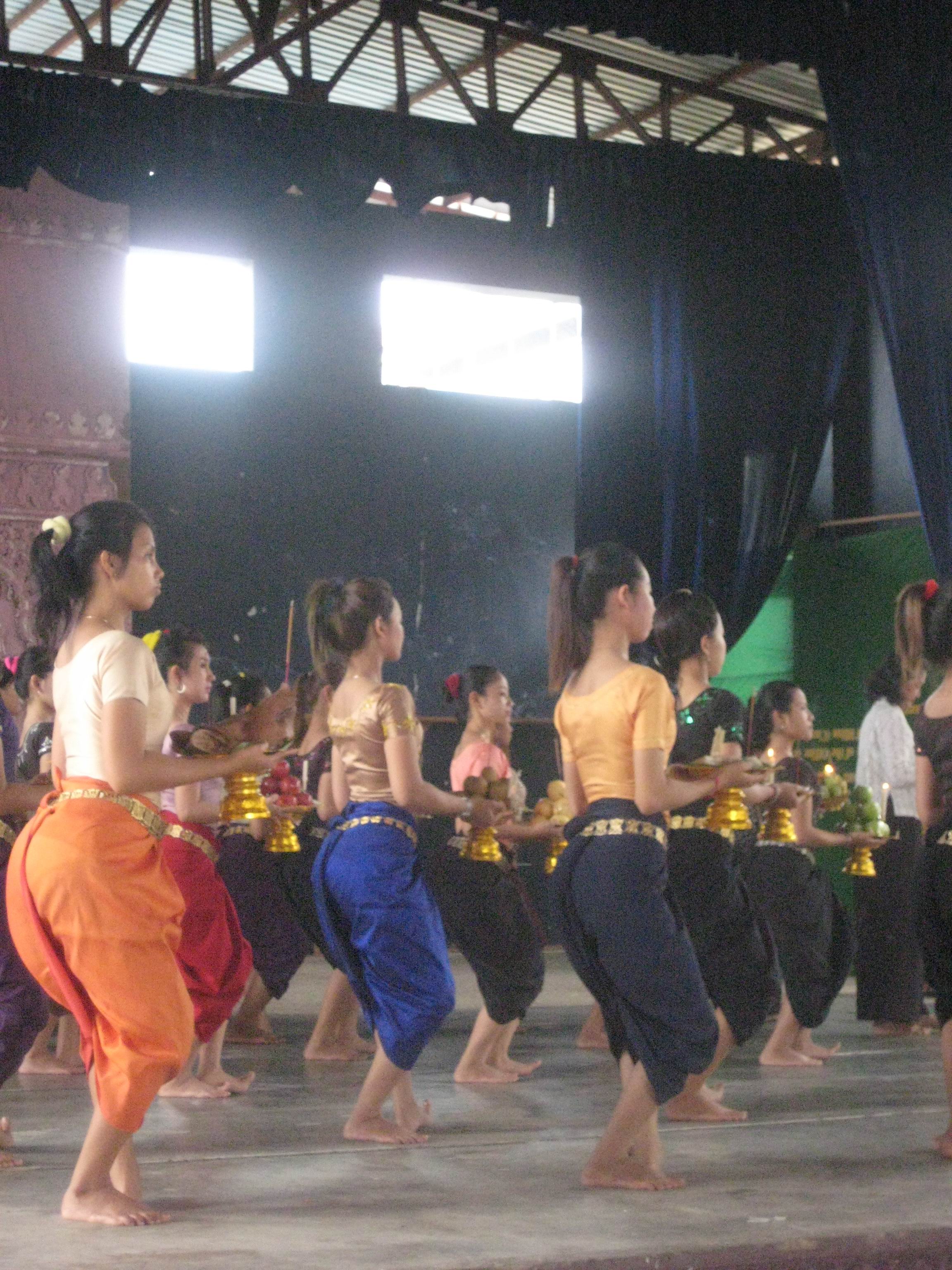
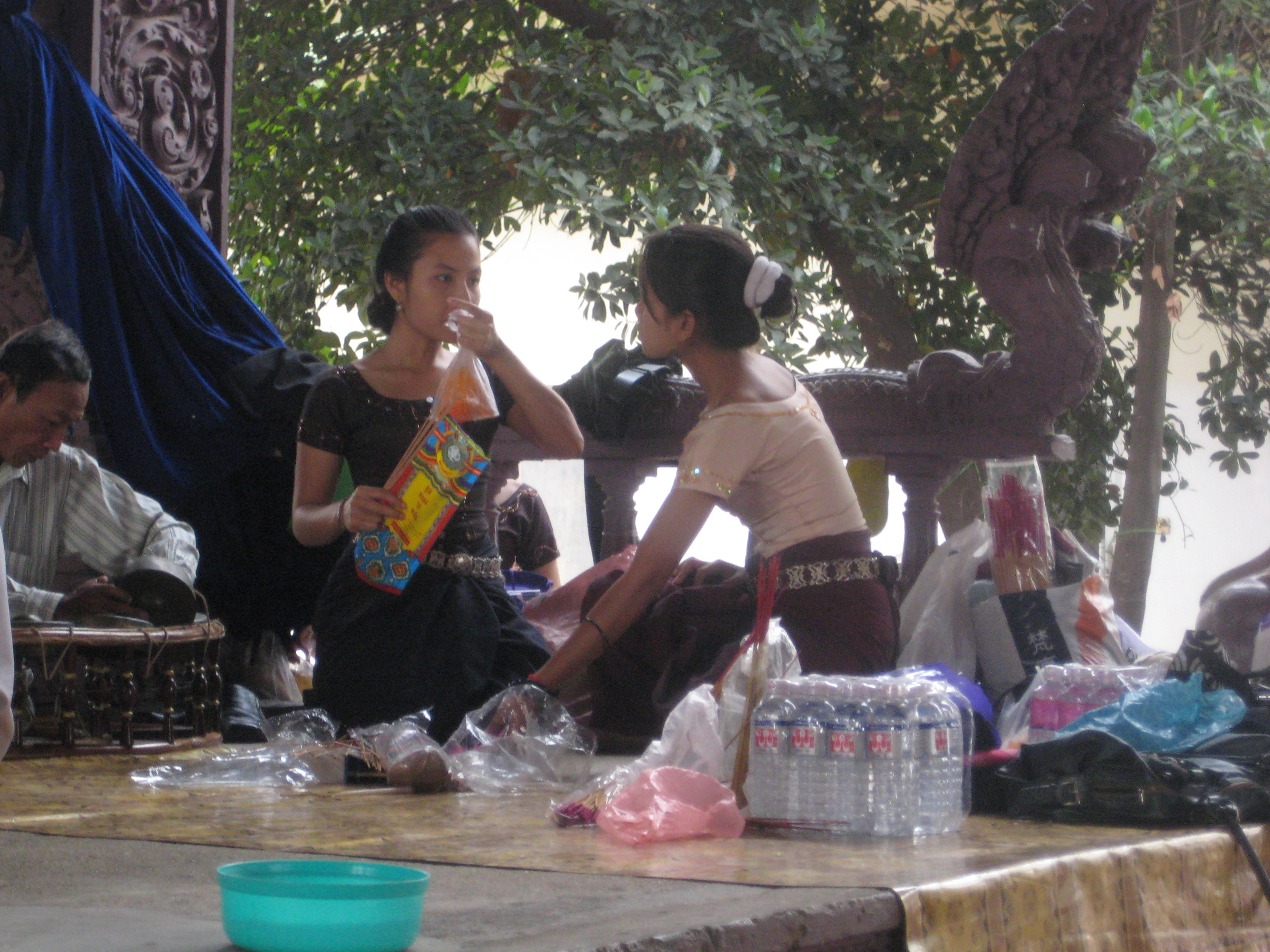
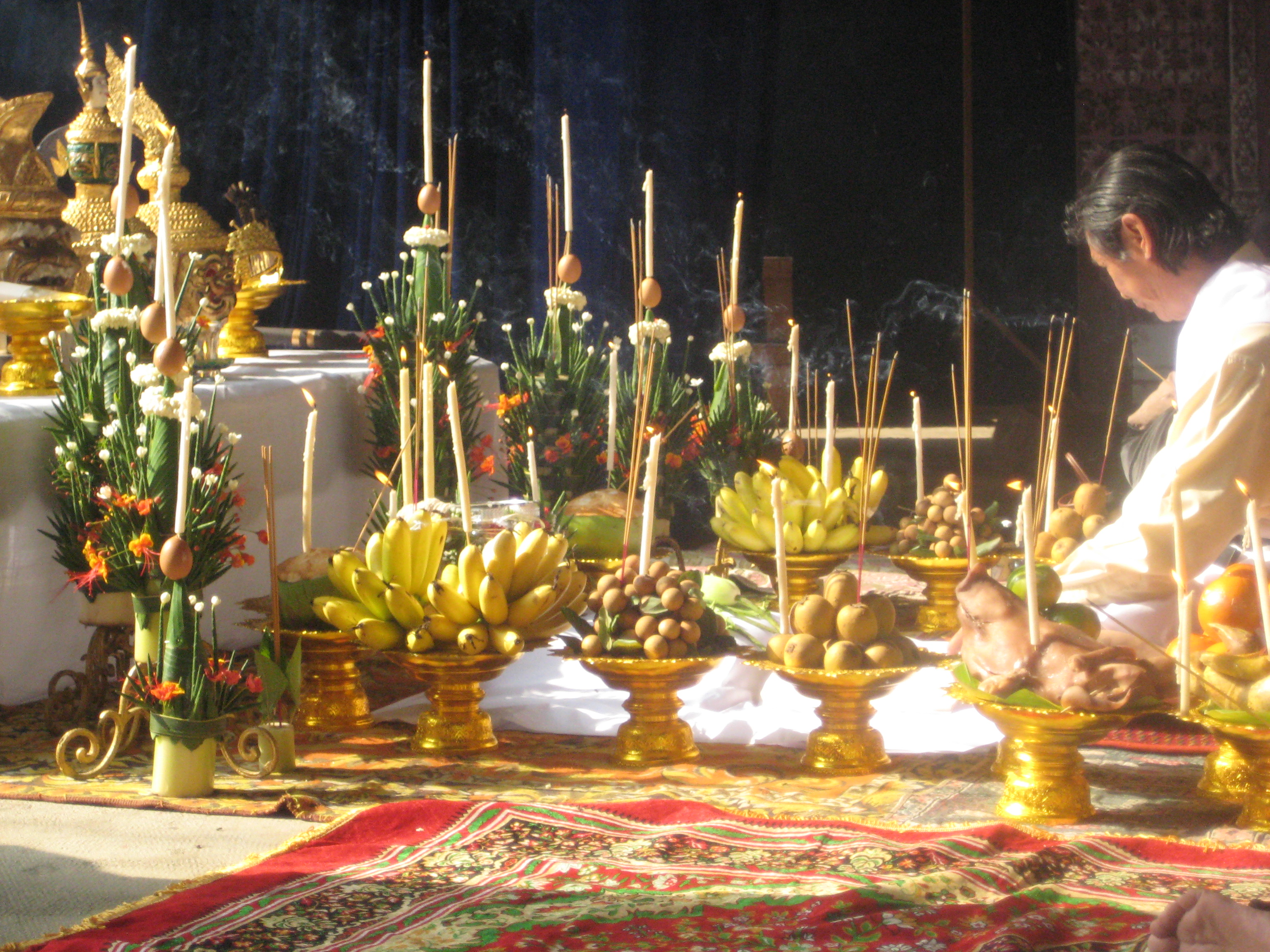
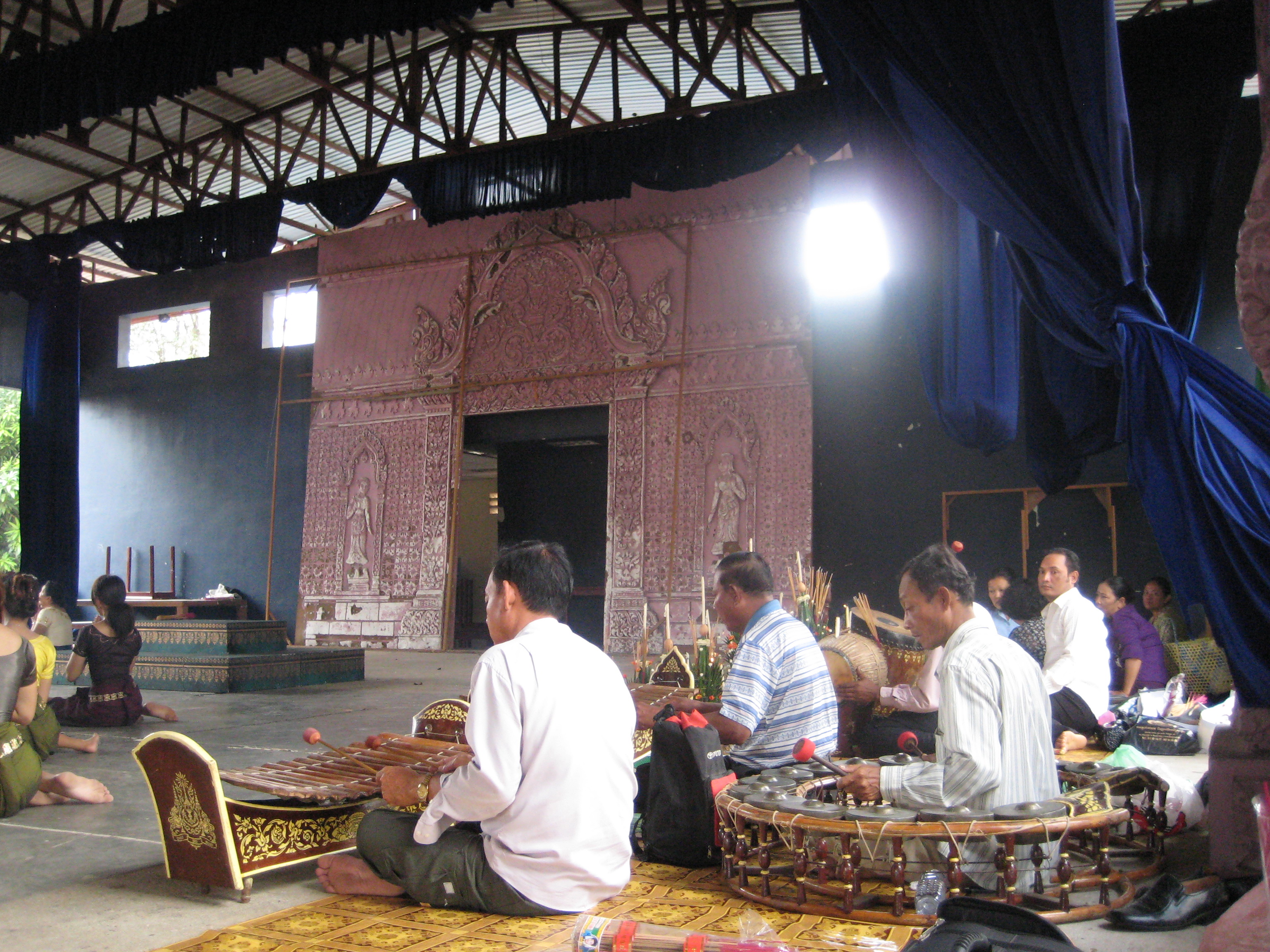
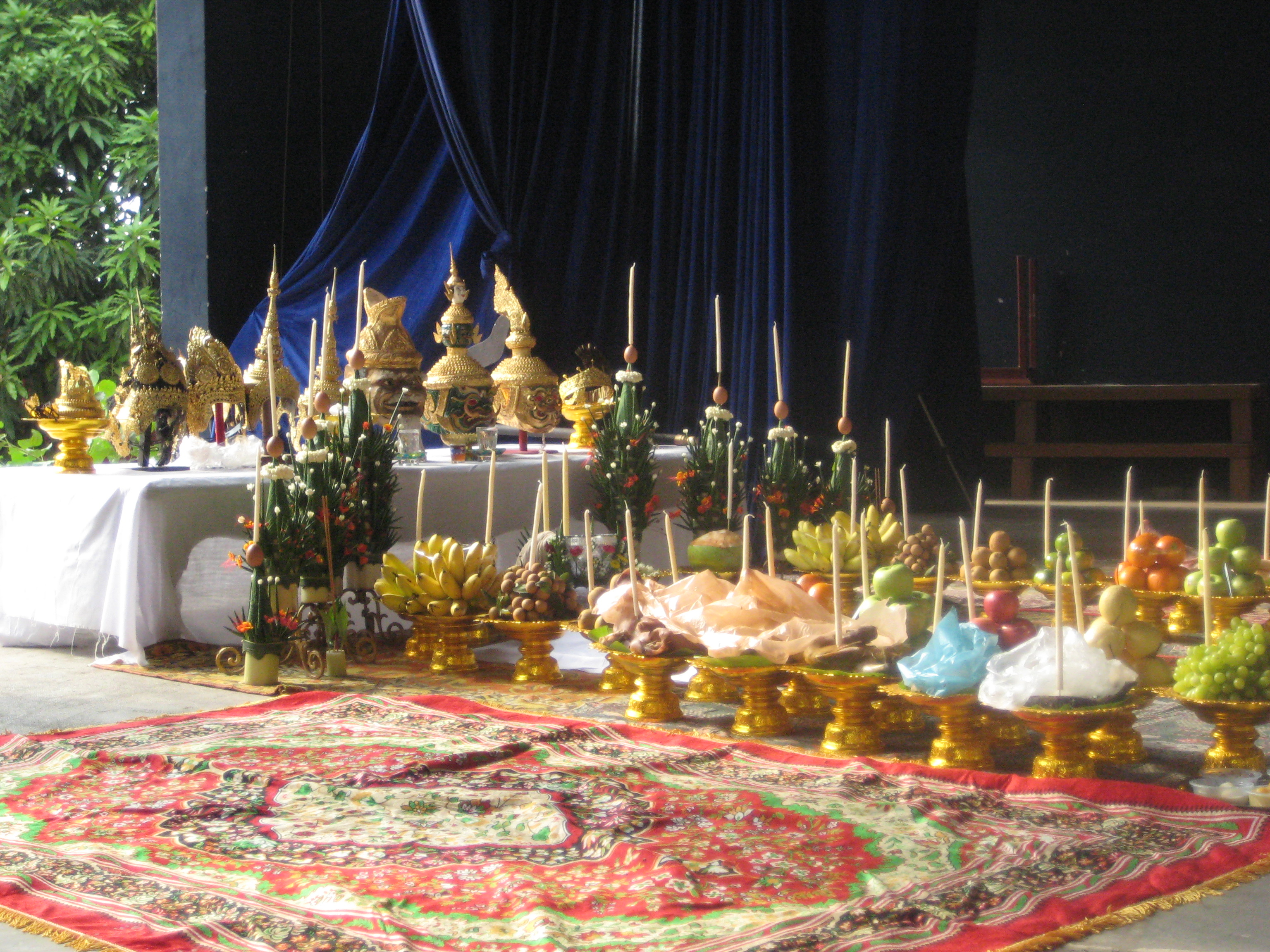
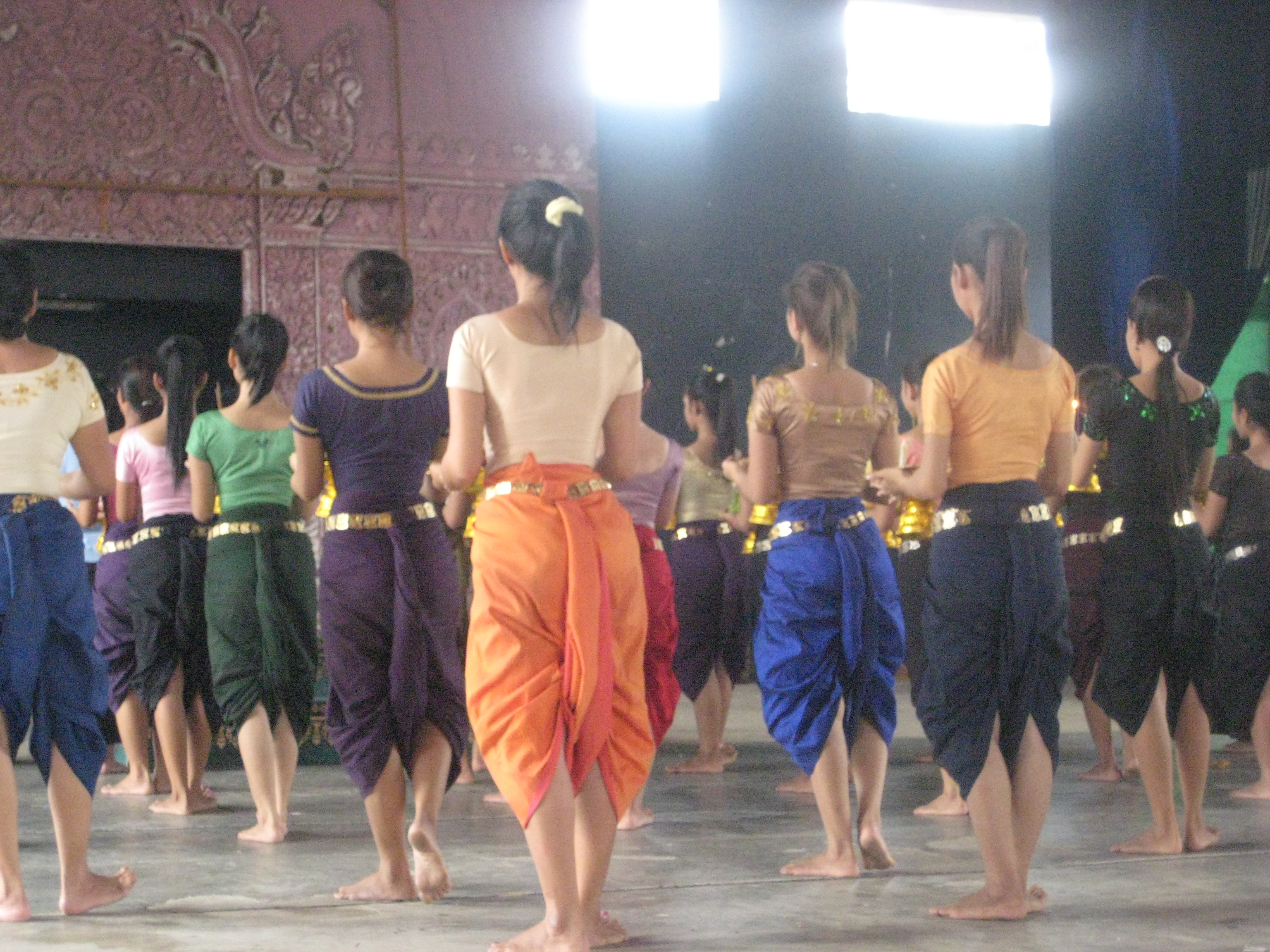
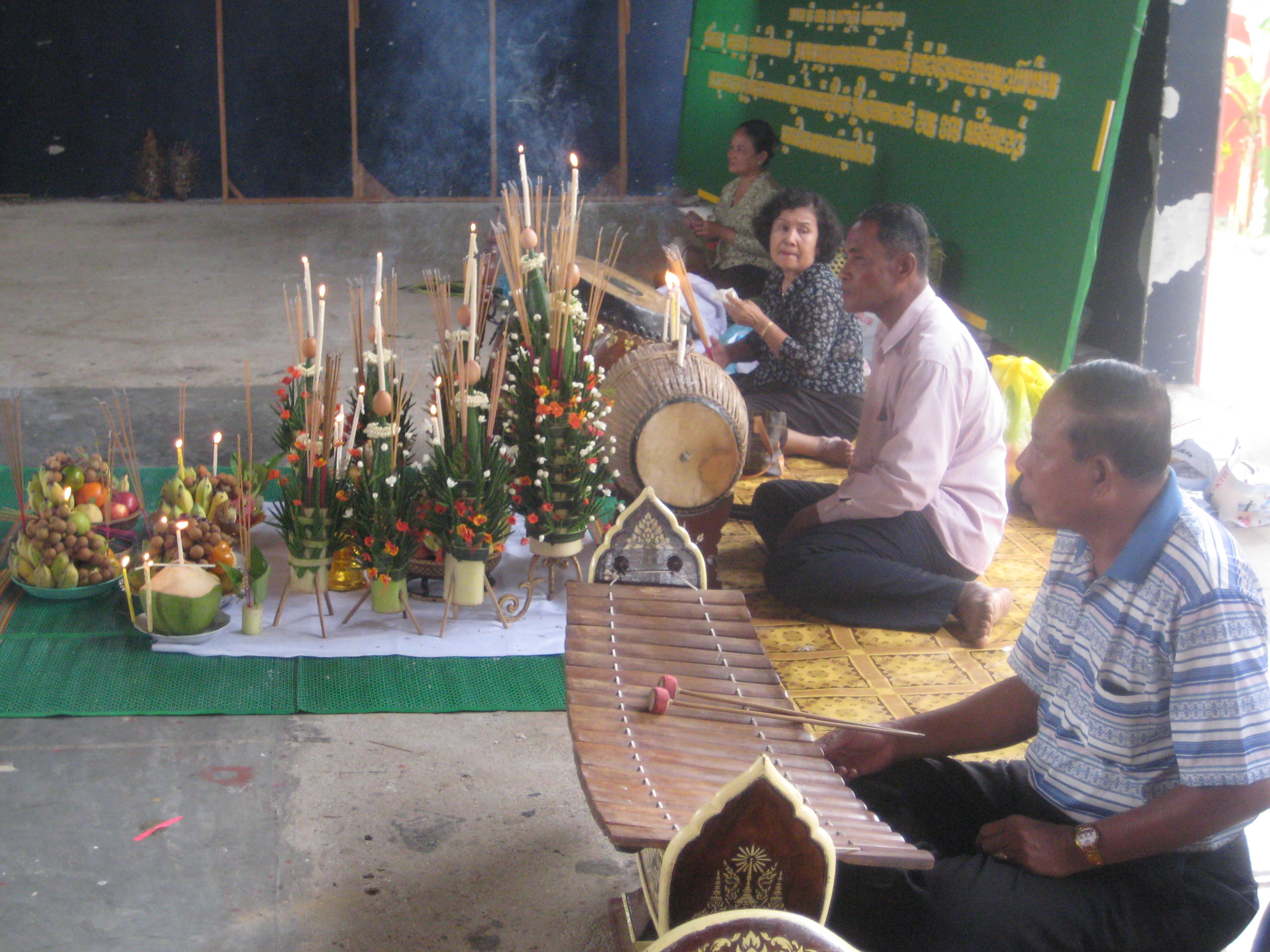
In early 2008 the Royal Cambodian Ballet was scheduled to tour Holland, France and Slovenia. This picture gallery briefly documents a ceremony held on 20 March 2008 in an open theatre space close to the Royal Palace in Phnom Penh at which offerings were made and blessings sought prior to this tour.

All photos by Michelle Potter, March 2008.

Michelle Potter, 18 June 2009

Khmer Dance Project

In March 2008 I was generously funded to travel to Phnom Penh, Cambodia, to help set up a project to record the stories of older Cambodian classical dancers who had had major careers with the Royal Cambodian Ballet in the decades before the infamous regime of Pol Pot. They had survived that regime, and were now passing on their knowledge to younger dancers.

The photos published here were taken during that week in Phnom Penh. They record the process of filming an interview with one of those dancers, Em Theay, a vibrant and dynamic woman in her seventies. Em Theay was interviewed by Hun Pen in the early morning of 22 March 2008 outside the National Museum. Em Theay’s generosity in sharing her knowledge and her passion for her art form shine through every photograph.

Filming Em Theay, Phnom Penh, March 2008. All photographs by Michelle Potter (taken with permission)

Michelle Potter, 1 June 2009

Featured image: Em Theay and camera crew, Phnom Penh, March 2008