reviewed by Jennifer Shennan
Li Cunxin, known from his memoir and the associated film as Mao’s Last Dancer (Viking/Penguin 2003) now goes by another name as well—The Lucky Son, which is the title of his memoir sequel, recently published (Penguin, 2026).
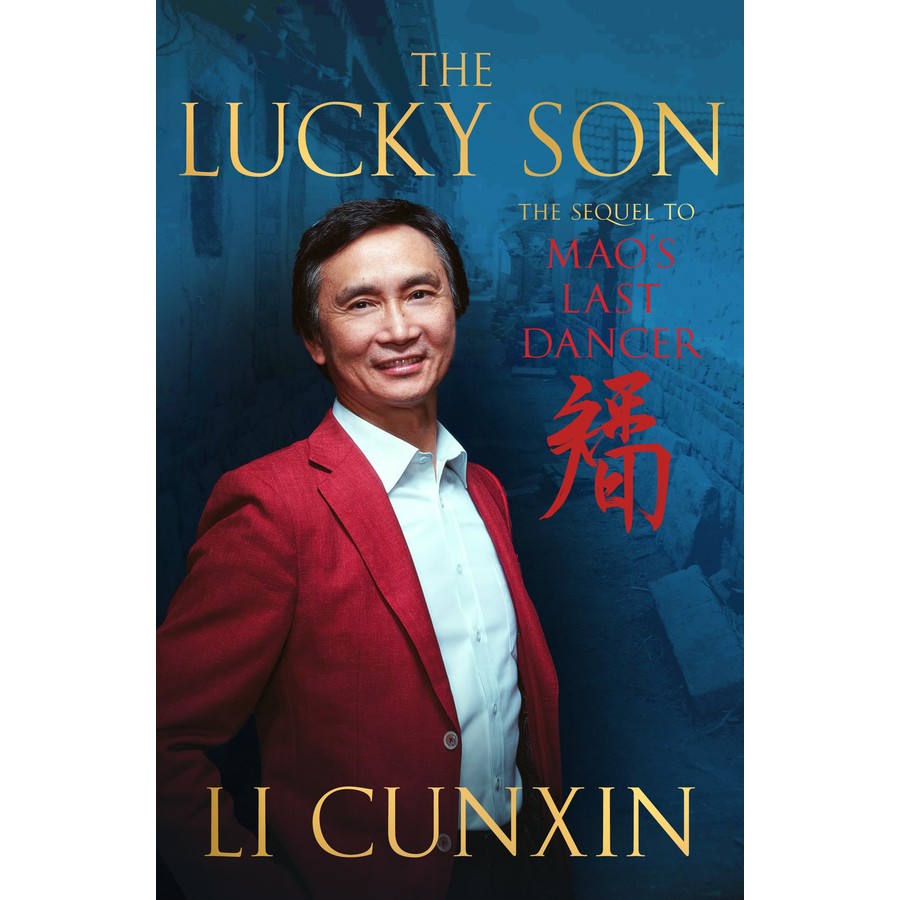
This second book, artfully because briefly, summarises the first one for anyone who may not have read it, and then continues the subsequent professional career, primarily at Queensland Ballet, which he shared with his wife, the dancer Mary Li (whose own memoir, Mary’s Last Dance, has also been published by Penguin, 2020).
There are insights into the ballet world, and how its politics and culture play out in different countries and different companies. Li’s and Mary’s shared dance careers as performers, directors and teachers, are stellar by any measure, but it is in fact the family’s personal story that turns the pages. The book traces their fortunes and luck, both good and bad, sharing with a remarkable honesty, how they made it through some seriously dark times of family health and welfare challenges. Always their combined indomitable spirit rises to the surface, and they move forwards, because moving backwards is not an option. Li counts his blessings and considers himself, on balance, a lucky son.
Li was a guest of the RAD in Wellington recently, as they marked the 91 years of their operation in New Zealand. At a gala event (at which Anne Rowse was made an Honorary Fellow of the RAD for her stirling service to dance in New Zealand for decades), Li spoke to the guests in a way that was focused yet modest, supportive, encouraging, humane—for at least 10 minutes, with no notes in sight. That rarely happens, so you know that when it does, the speaker is someone who knows how to make his words mean something.
No point in my paraphrasing The Lucky Son. Best you read it for yourself
Jennifer Shennan, 23 October 2026
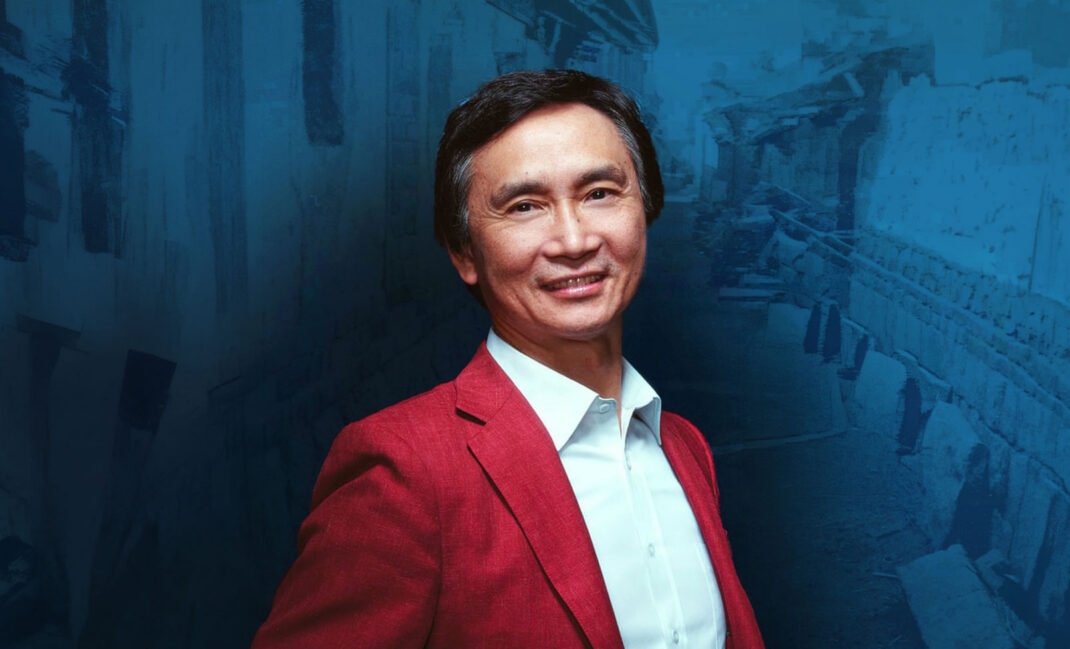
Featured image: Li Cunxin from the cover of The Lucky Son