It was le quatorze juillet. The orchestra of the Opéra national de Paris began the evening with a remarkably stirring rendition of La Marseillaise. The audience applauded loudly and shouted Vive la France! It set the scene for an equally stirring performance of Frederick Ashton’s La Fille mal gardée.
Although Ashton’s version of Fille entered the repertoire of the Paris Opera Ballet only in 2007, the ballet has strong French roots that can be traced back to 1789 when a work called Le Ballet de la paille took the stage of the Grand-Théâtre of Bordeaux. Subsequently, a number of choreographers created their own versions before Ashton choreographed his production in 1960 for the Royal Ballet.
Ashton’s choreography gave the dancers of the Paris Opera Ballet every opportunity to show their technical capacity for fast and precise footwork and their glorious adherence to the classical way of moving. On show too was their ability to give an individualistic interpretation of a role. The Widow Simone who, in what no doubt was a one-off patriotic moment on the French National Day, waved a tiny French flag as she made her first appearance was a case in point. Stephane Phavorin was to a certain extent the flustered pantomime dame but absent (thankfully) was the high camp interpretation that one often sees. Similarly, Simon Valastro as Alain gave a thoughtful portrayal in which he managed to convince us that he was not so much an imbecile as simply someone incompetent of functioning in the society in which he found himself. The difference is perhaps subtle but this Alain was not entirely brainless.
As Lise, Dorothée Gilbert displayed the brilliant technical capacity and the clarity and expansiveness of movement that one has come to expect from étoiles with this remarkable company. Coupled with her beautifully expressive upper body and her sheer delight in dancing, she was everything one could hope for as Lise. Her mime scene in Act II where she imagines herself married to Colas was tenderly moving and the pas de deux in this act was danced with just the right dreamy quality to display Ashton’s choreography to perfection.
Gilbert was partnered by Mathias Heymann as Colas who like his colleagues showed himself every bit an étoile. This is a company of outstanding artists.
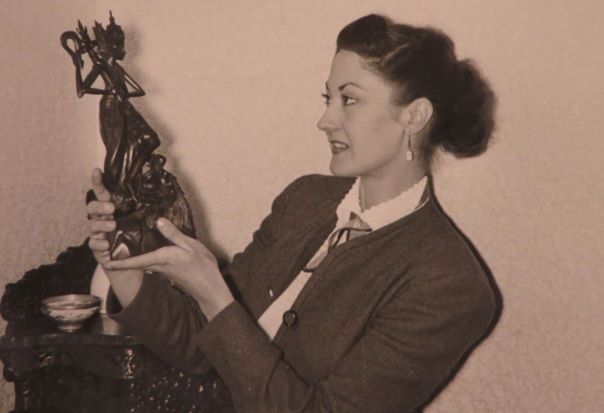
‘The fire and the rose‘ is a tribute to and obituary for Valrene Tweedie, Australian dancer, teacher and choreographer who died in August 2008. Tweedie danced with Colonel de Basil’s and Sergei Denham’s Ballets Russes companies and with an embryonic National Ballet of Cuba. She choreographed for stage and television in Australia, pioneered dance education programs and founded Ballet Australia in the 1960s to encourage Australian choreography.
‘The fire and the rose’ first appeared in Brolga. An Australian journal about dance in December 2008.
Michelle Potter, 7 July 2009
Featured image: Portrait of Valrene Tweedie ca. 1952. Photographer unknown
Swans and Firebirds (Schwäne und Feuervögel) Austrian Theatre Museum, Palais Lobkowitz, Lobkowitz Platz 2, Vienna, 25 June to 27 September 2009
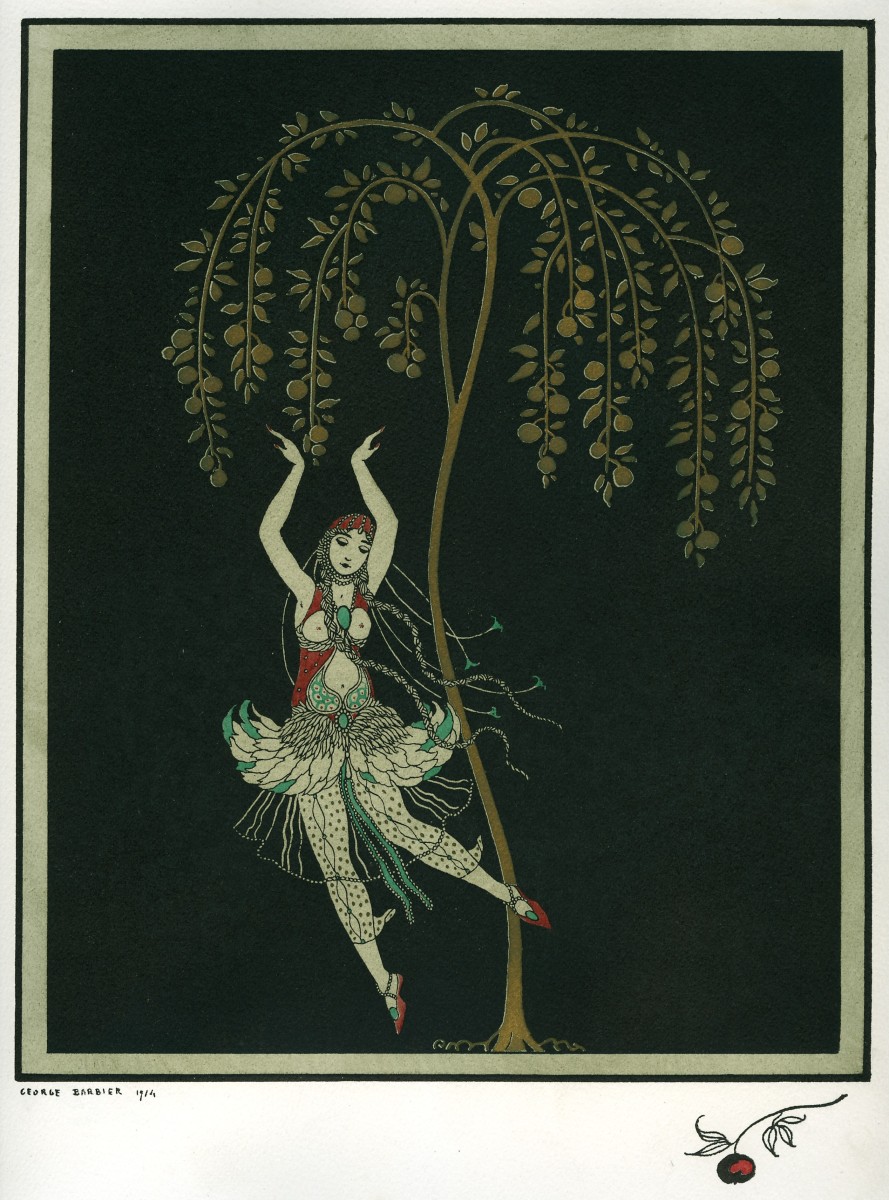
Georges Barbier, ‘Tamara Karsarvina in The Firebird‘, pochoir print from the series Homage to the Ballets Russes, after 1914. Collection: Derra de Moroda Dance Archives, Salzburg.
Like many other museums, galleries and libraries around the world, the Austrian Theatre Museum in Vienna is staging an exhibition to mark the centenary of the first Paris season of Diaghilev’s Ballets Russes. Although this exhibition carries a sub-title ‘Die Ballets Russes 1909-1929’ it uses the term ‘russes’ in a wide sense as the exhibition includes material not strictly speaking from the Diaghilev enterprise as we have come to understand it. Jointly curated by Drs Claudia Jeschke and Nicole Haitzinger from the University of Salzburg, it draws for its material on the collections of a number of institutions, largely in Russia, Germany and Austria, and one major private collector, John Neumeier.
The exhibition suffers at the outset from being displayed very awkwardly in two rooms at the far end of the main entrance to the Palais Lobkowitz. The two rooms are on opposite sides of the entrance lobby and thus are not obviously linked except perhaps in an architectural sense. Combined with pretty much non-existent signage, this physical arrangement makes for a disorienting experience for the exhibition viewer.
One finds oneself moving fairly logically, or snake-like, from the central space at the end of the lobby, which is devoted to material from Polovtsian Dances from Prince Igor, into the first room to the right. This first room focuses on the notion of ‘white’ and includes material from Les Sylphides and, mysteriously given the white tag, Diaghilev’s 1920s production of The Sleeping Princess. Other material relates to The Dying Swan and includes an interesting reconstruction of the swan tutu as worn by Pavlova in this celebrated solo. A video screening in this room—a dancer from the Bayerisches Staatsballett dancing the waltz from Les Sylphides—is a problematic inclusion. The amplified sound of the dancer landing after the many jumps in this solo is unpleasant, spoils the sound of the accompanying music and does little to evoke the poetic qualities of Les Sylphides. It does nothing for one’s perception of the dancer’s skills either.
Moving to the second room is not a logical progression from the first and initially the impression is that the exhibition finishes with the white material. Once one discovers the second room, on the left of the main lobby, the two other organising concepts—’unicolour’ (einfarbig) and ‘multicolour’—enter the equation. Designs for Petrouchka and Coq d’or are major items in the multicolour section and lead on to Natalia Goncharova’s beautiful drawings and extensive notes for the unrealised ballet Liturgie. Beyond Liturgie is material relating to Le Sacre du printemps and Les Noces, including a rare and valuable glimpse of the progression of Goncharova’s work for Les Noces from early designs in the Russian Primitivist mode to the final stripped-back designs. But the three colour codings—the organising concepts—are forced. The material to my mind is pushed to fit the concepts rather than emerging from them. Much of the material doesn’t seem to fit well anyway. This includes some quite fascinating notations (in facsimile) from 1910 by Fokine for Firebird from the St Petersburg State Theatrical Library.
But perhaps the most frustrating aspect of this second room is a loop video, which purports (according to the wall label) to show two recordings of George Balanchine’s Apollo each of around 30 mins in length. Sadly, however, all that is playing is about 3 minutes of a Radio Canada recording made in March 1960 with Jacques d’Amboise as Apollo and Diana Adams, Francia Russell and Jillana as the Muses. A great cast. But it got to where Apollo receives his lyre and holds it up to start playing only to return to the opening moments of Apollo’s birth from where it continued again to the receiving of the lyre. And nothing of the second recording.
Looking more positively, there are some wonderful items in the exhibition and many of them belong to John Neumeier. In fact, the strength and individuality of Neumeier’s collection is perhaps the outstanding aspect of this exhibition. In the pre-exhibition space—that is in the space between those two annoyingly unlinked rooms—there is a beautiful bronze sculpture of Adolphe Bolm in Polovtsian Dances. It stands about 25 cm high and is mounted on a small wooden plinth. It captures the passionate movement of Polovtsian Dances beautifully. Also from Neumeier’s collection is a hat by Léon Bakst for Tamara Karsarvina in Firebird—a pert little skull cap in green and tan with a white feather perched on top. Although designed by Bakst, it is in many respects one of those devotional items that so often grace dance exhibitions rather than an art historical piece. With the inclusion in the show of many photos of Karsarvina as well as designs for costumes she wore, this little cap seems to embody the spirit of its original wearer. Also of considerable interest are several photographs taken in Paris in 1910 by Auguste Bert, most again from the Neumeier collection. They include one of Vera Fokina as the Tsarina in Firebird. She stands with her body turned just slightly off-centre. Her head tilts softly to the left, her chest lifts and her hands gently lift her hair from her shoulders. This and other photographs by Bert have a soft, expressive quality and a sense of light movement to them. They are an absolute delight to examine and very revealing of this photographer’s approach to dance as an expression of the age.
There is a catalogue to this exhibition. Unfortunately there are a number of oversights in its production. Perhaps the most frustrating is that the images are not credited adequately – a final frustration in an exhibition that really needed to have been curated and produced more rigorously.
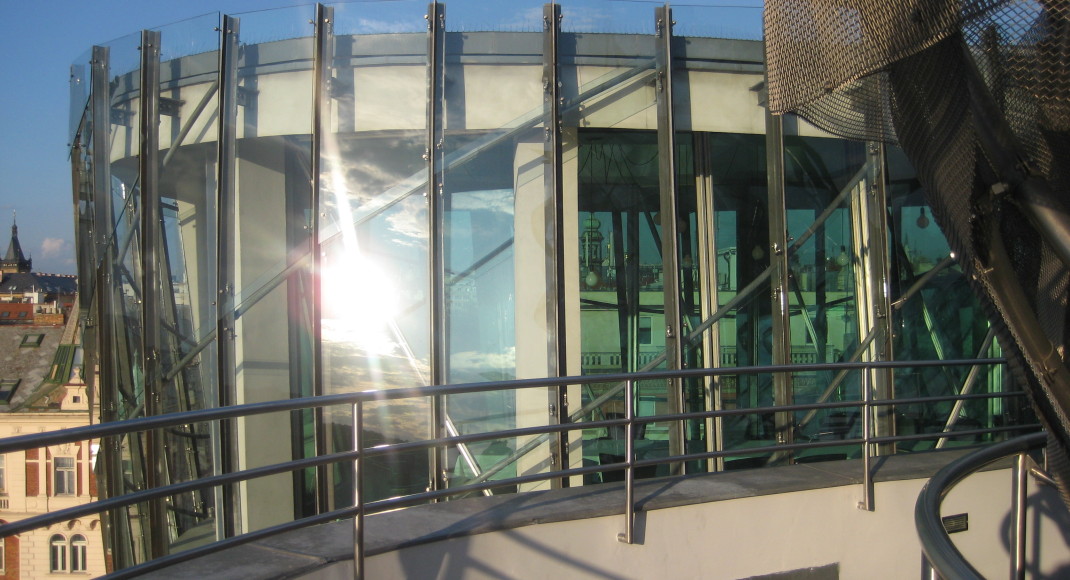
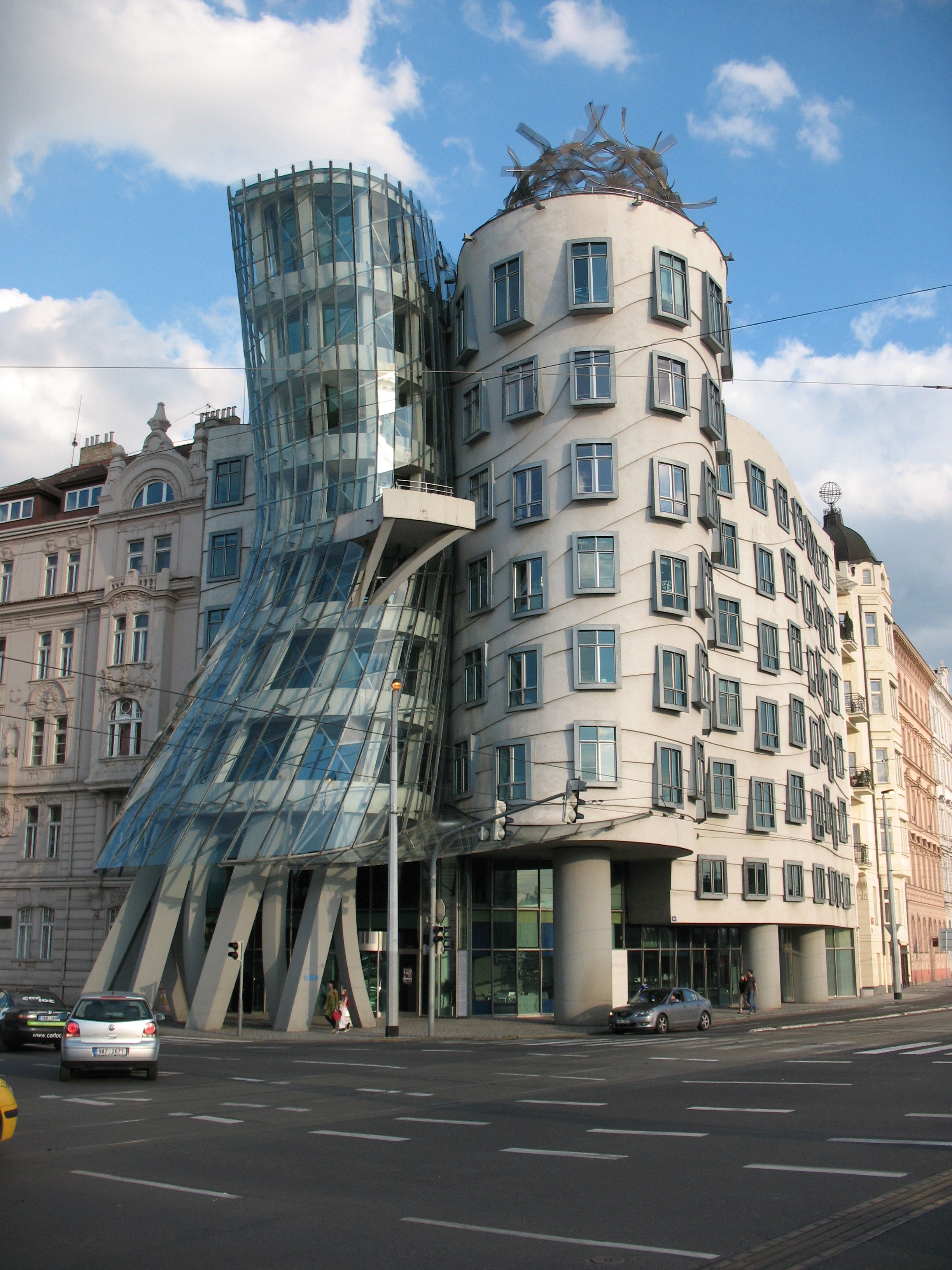
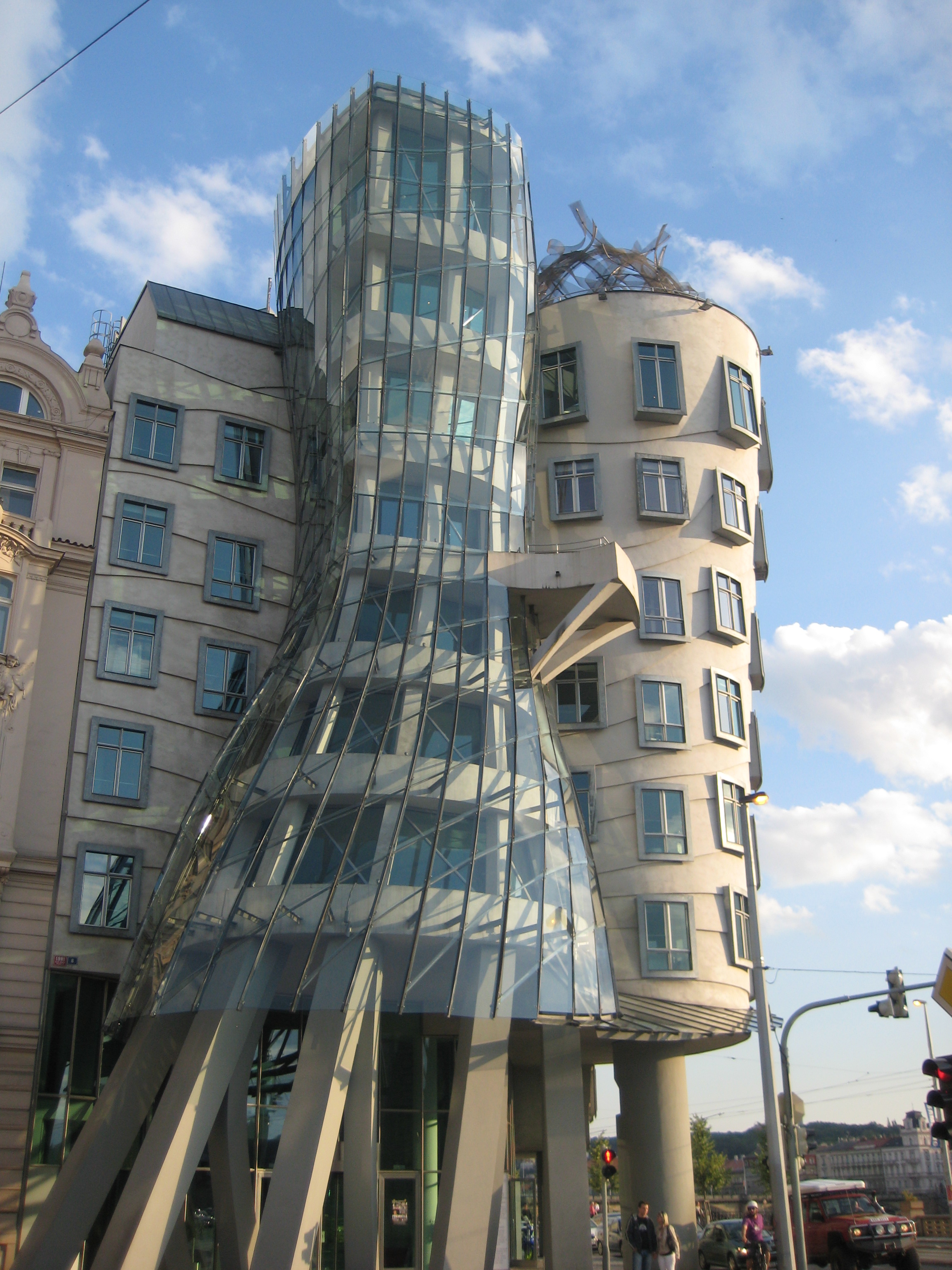
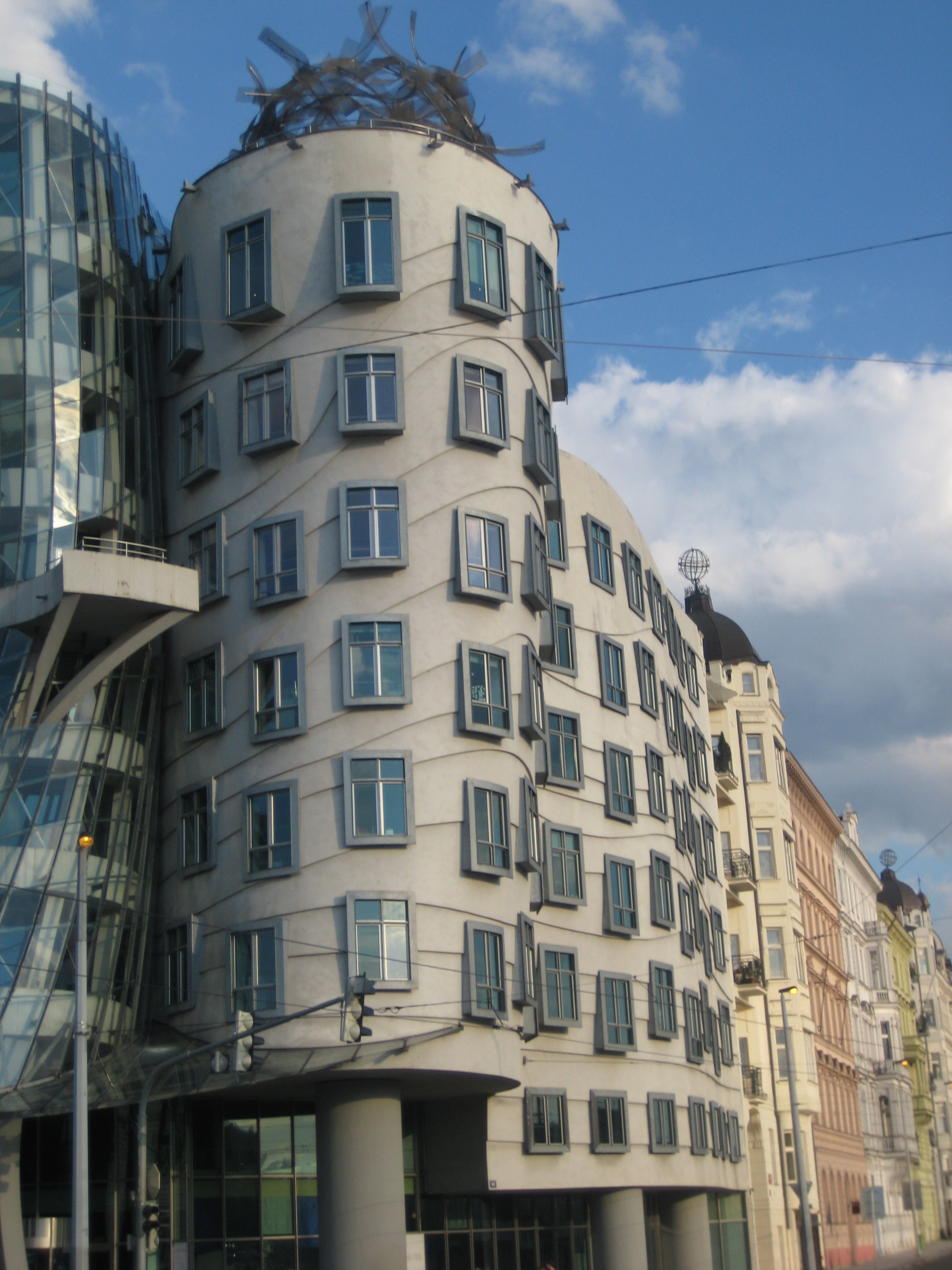
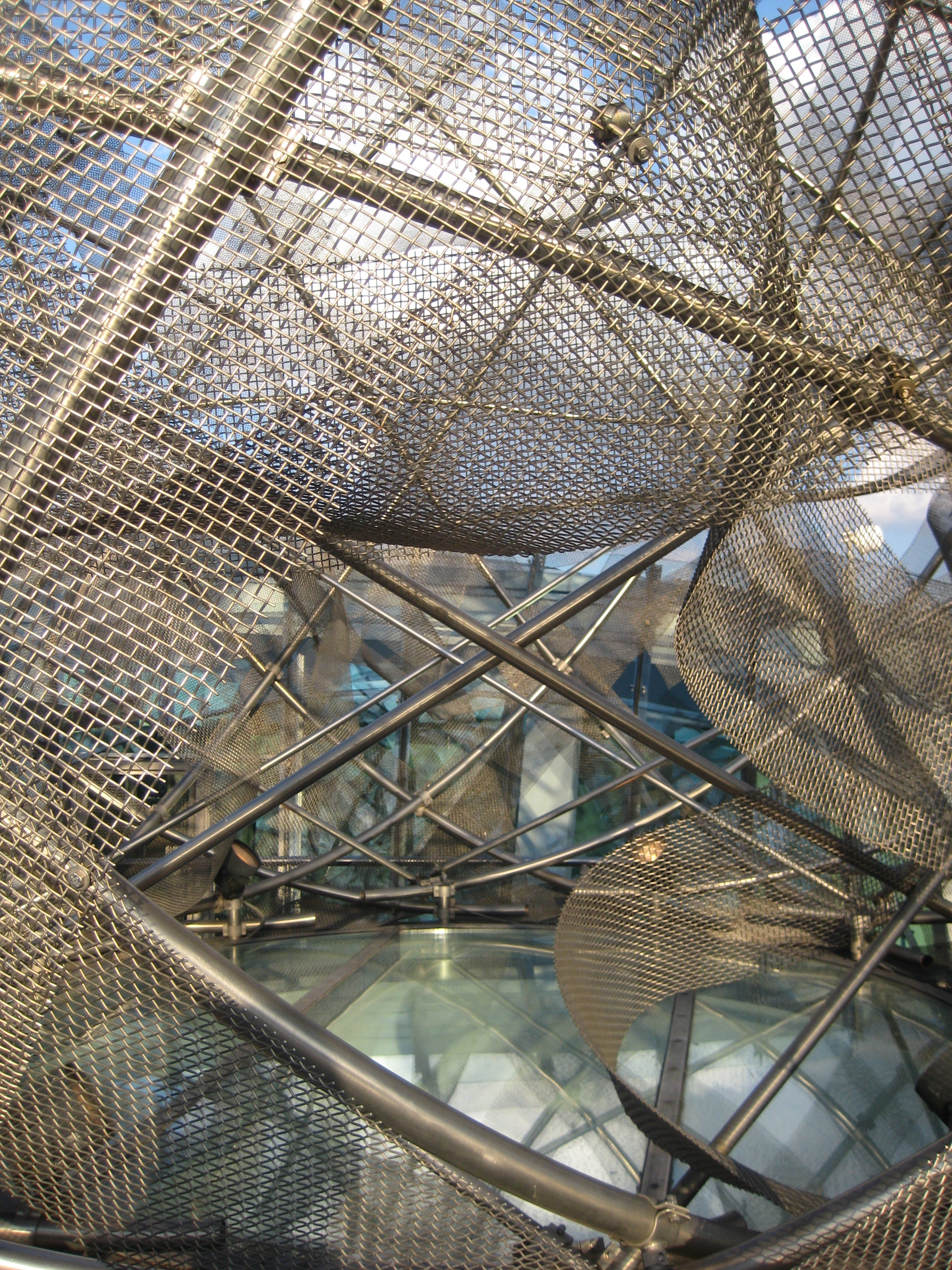
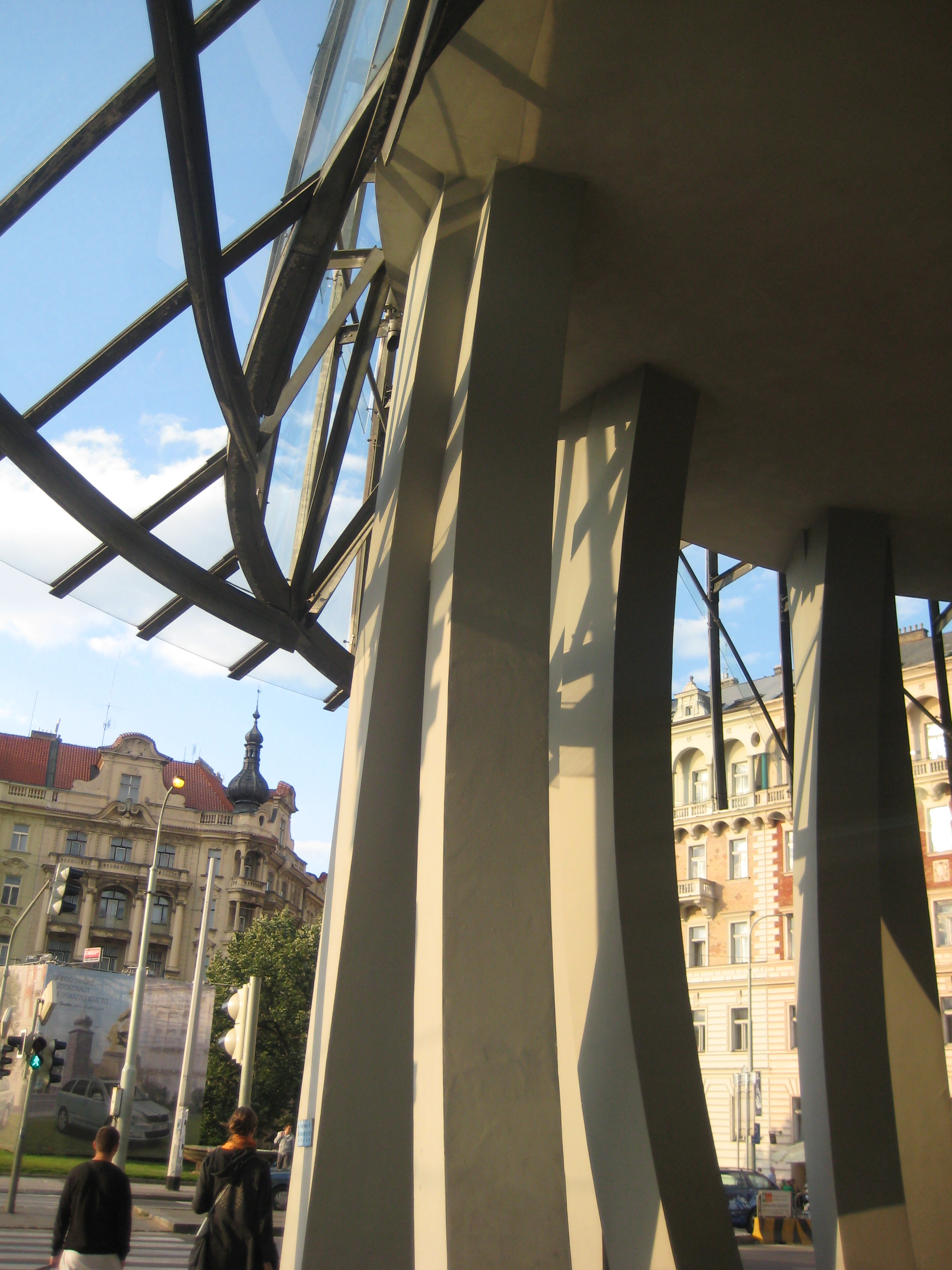
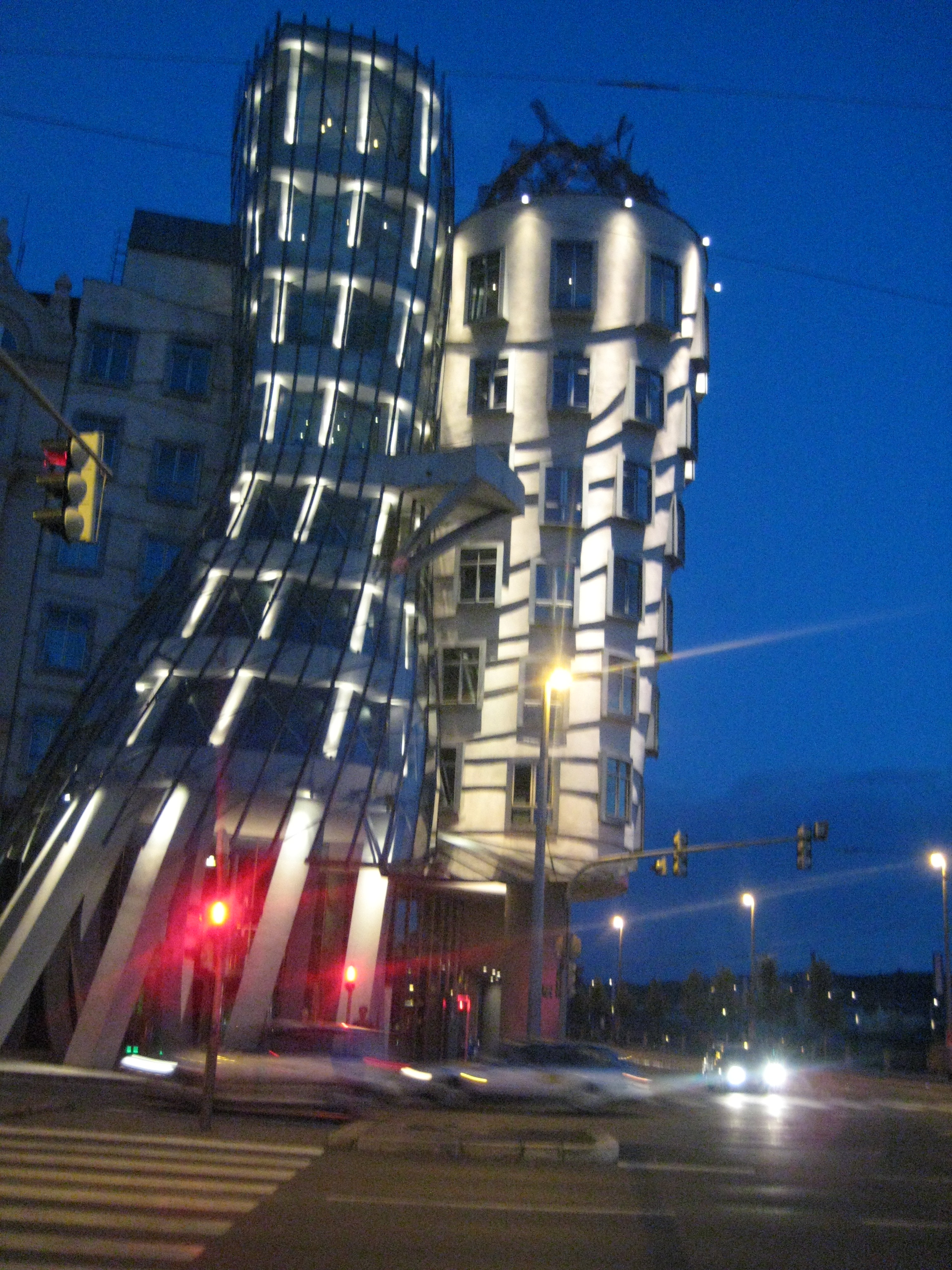
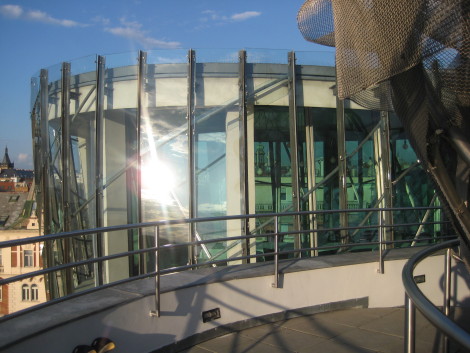
Fred and Ginger building, Jiraskuv bridge, central Prague, designed and built between 1992 and 1996 Architects: Frank Gehry with Vlado Miluni
Familiarly called Fred and Ginger after that acclaimed dancing couple Fred Astaire and Ginger Rogers, or the Dancing House and sometimes the Drunken House, officially the Rasin building (Nationale-Nederlanden building, Rašínovo nábreží 80, 120 00 Praha 2).
Images: (l-r, top row) Fred and Ginger by day; Mainly Ginger; Mainly Fred; (l–r, bottom row) Fred’s dome—close-up; Ginger’s legs; Fred and Ginger by night. All photos by Michelle Potter
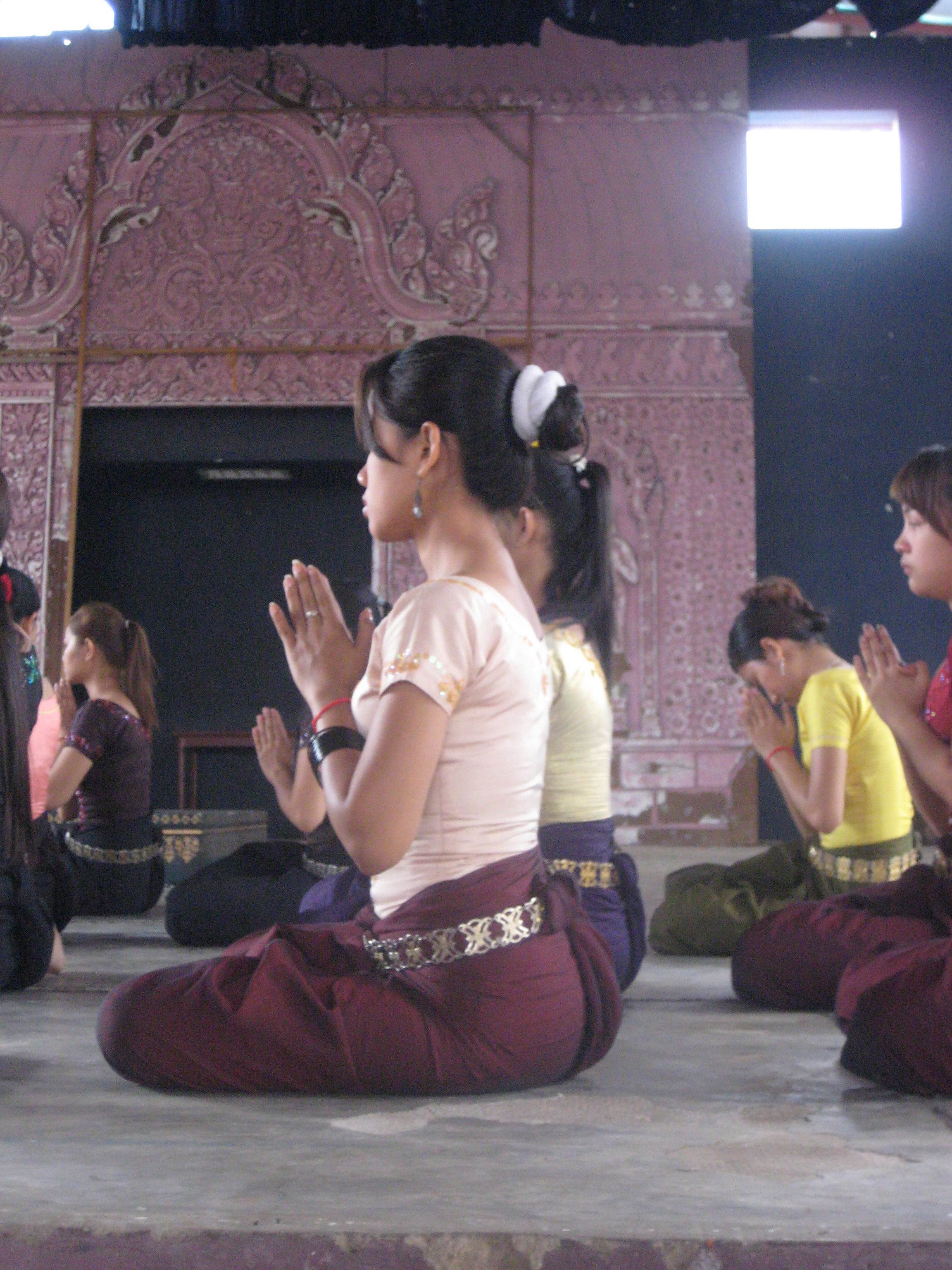
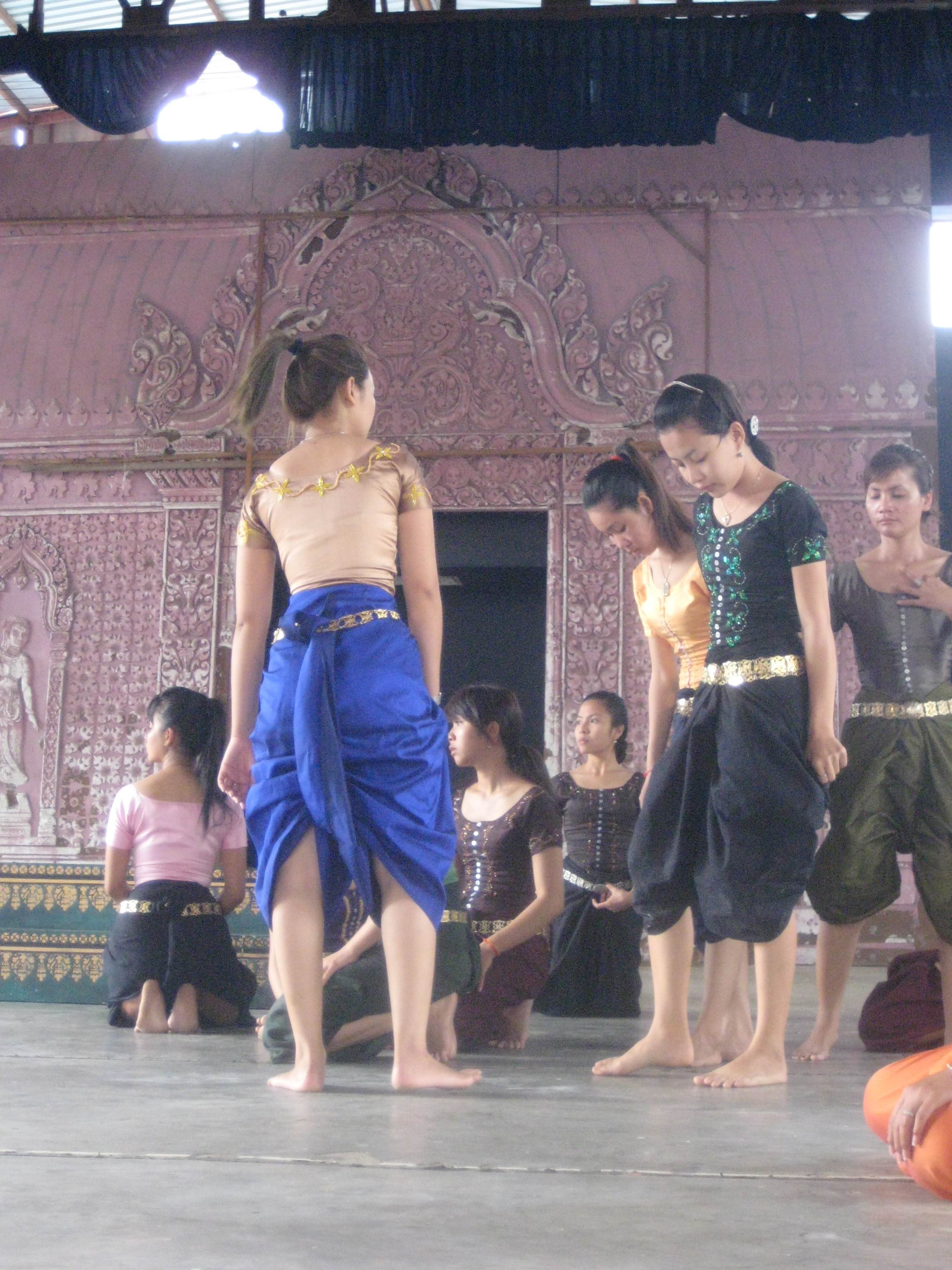
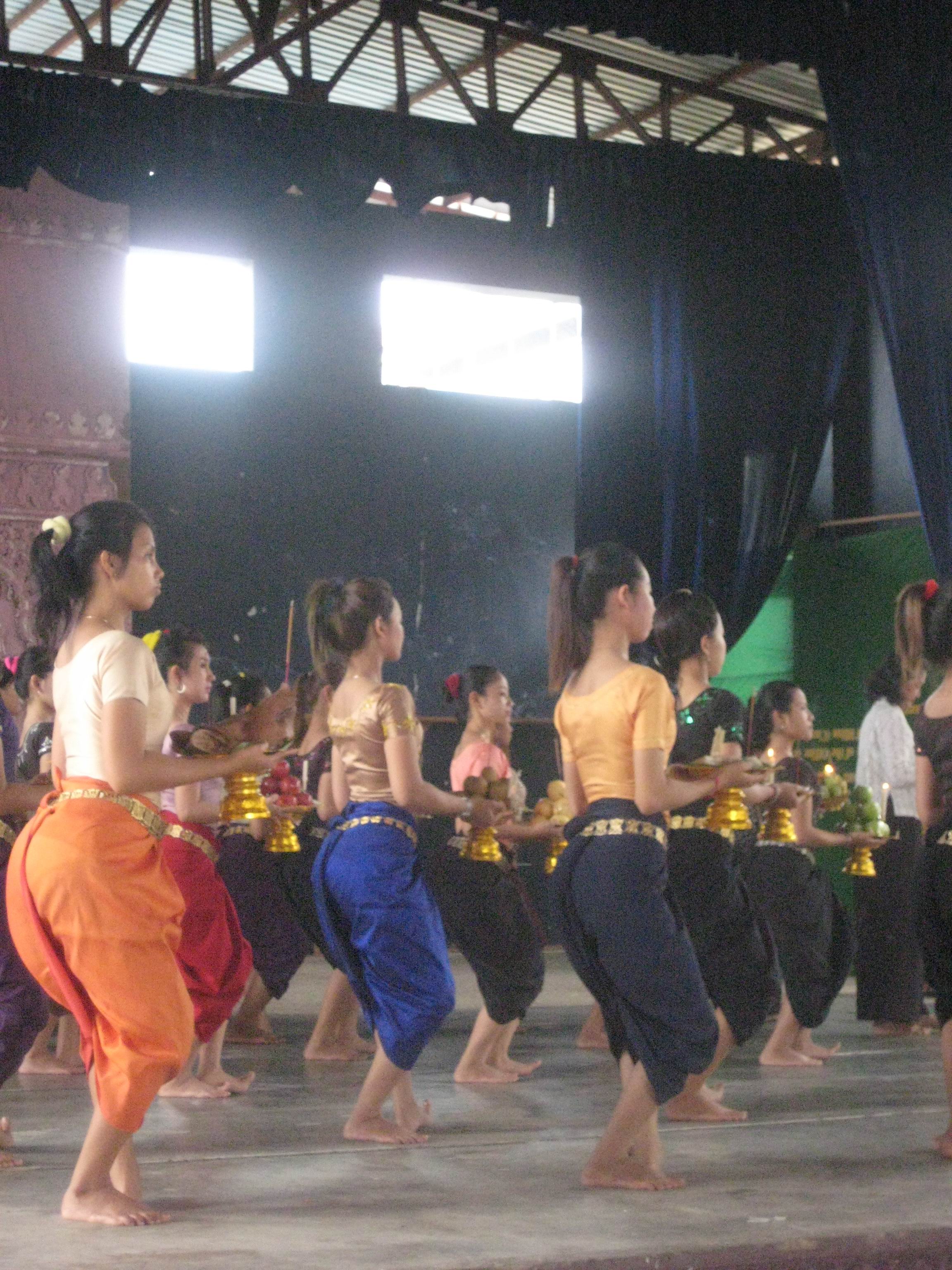
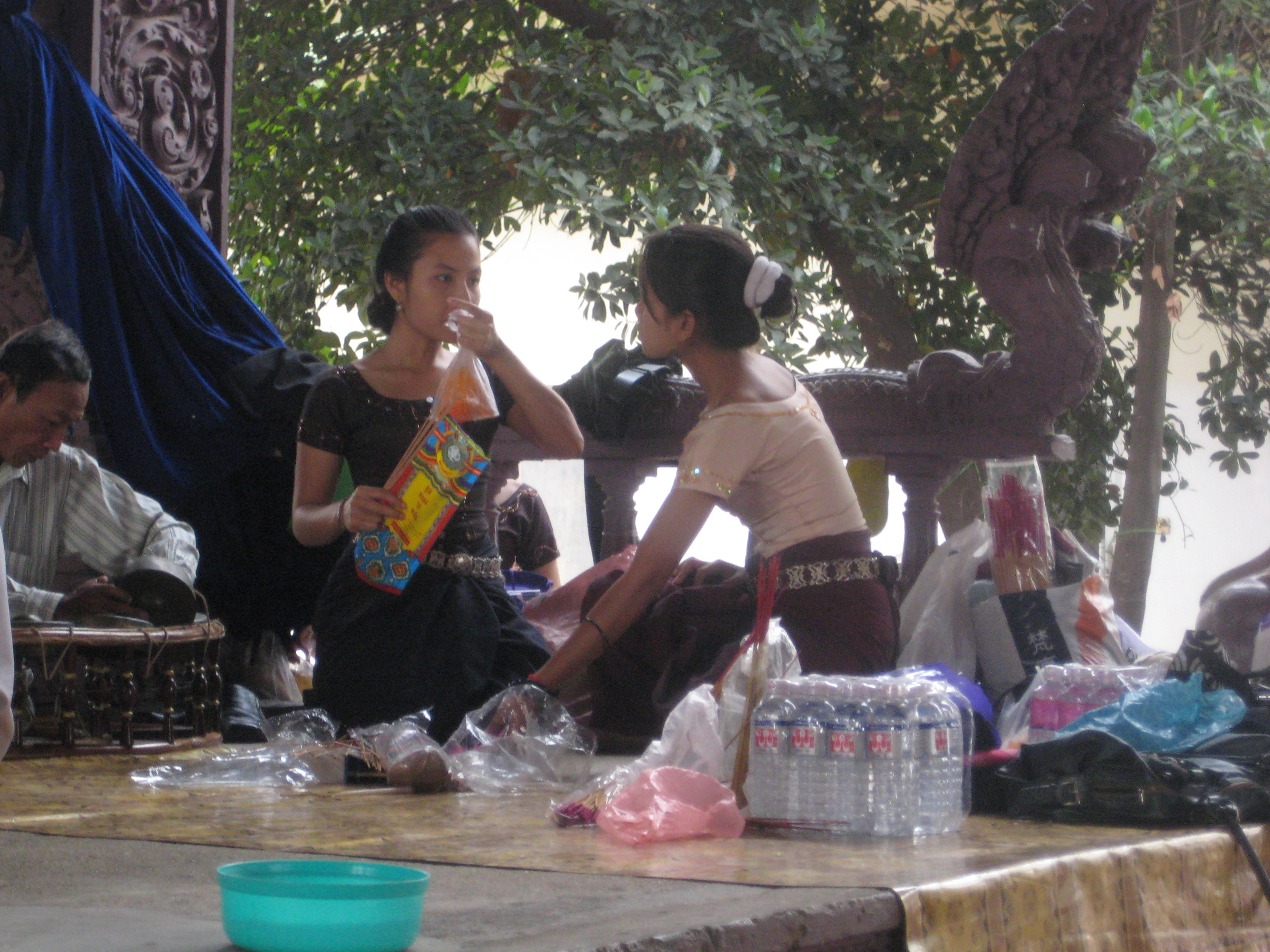
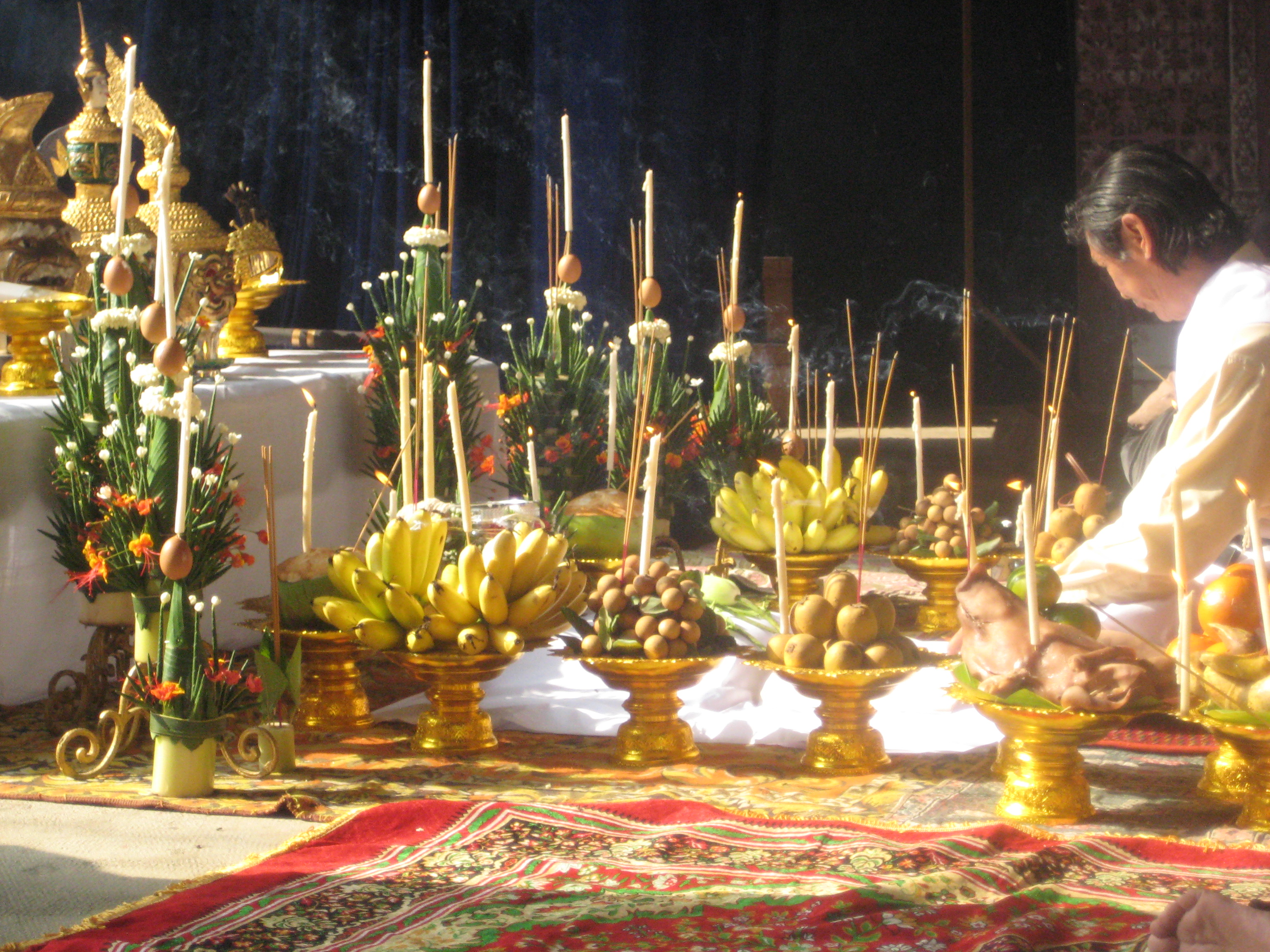
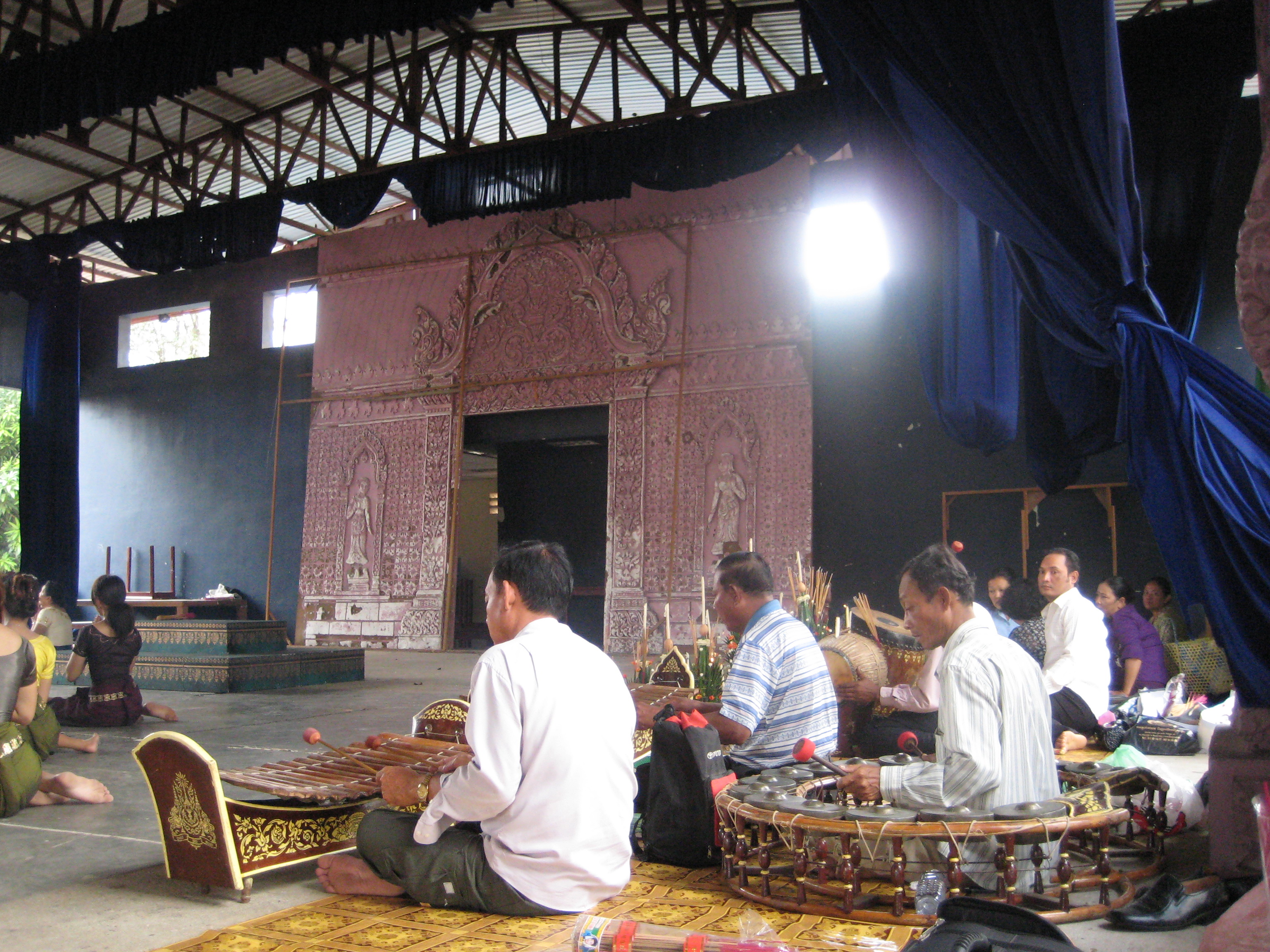
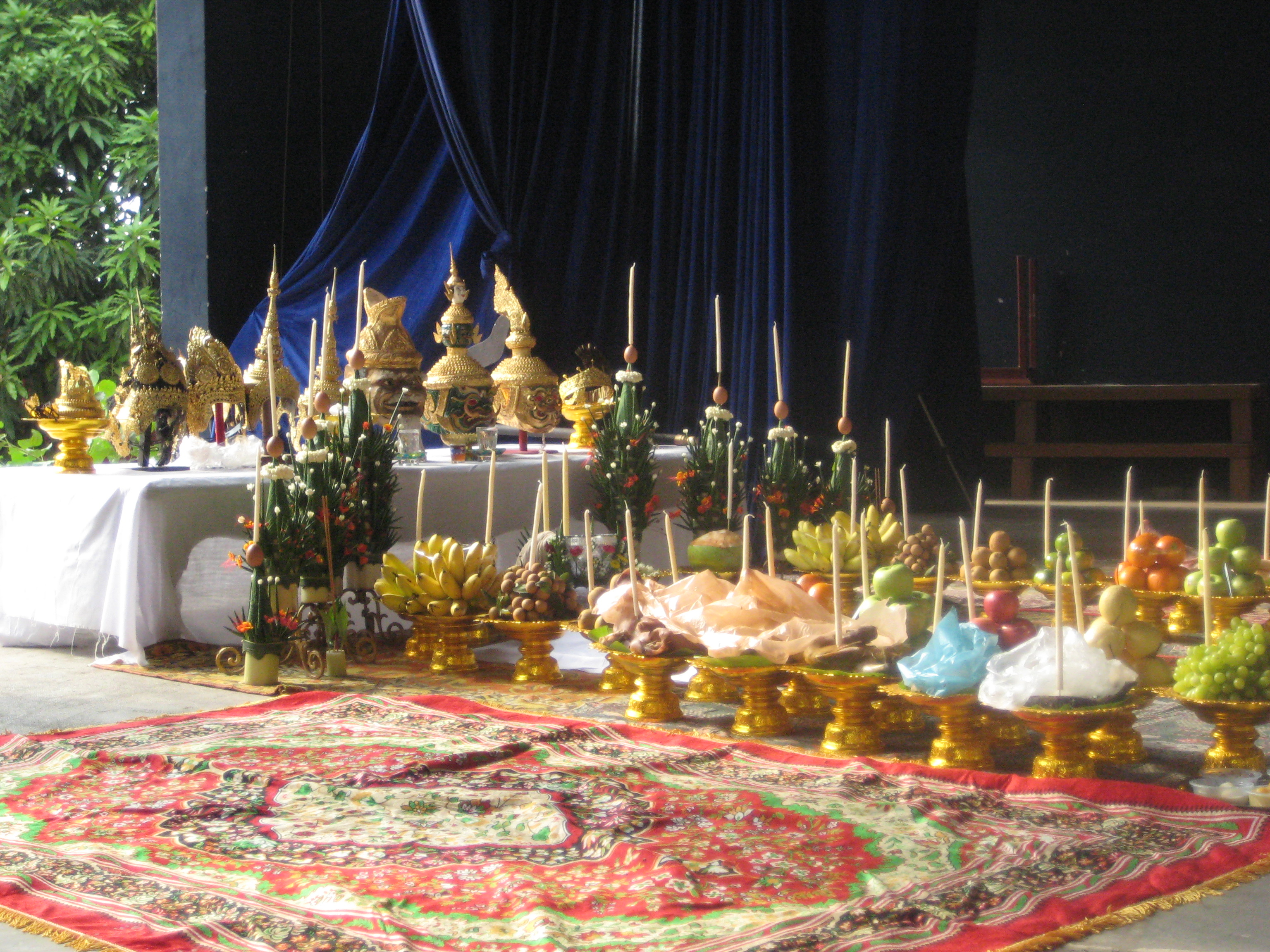
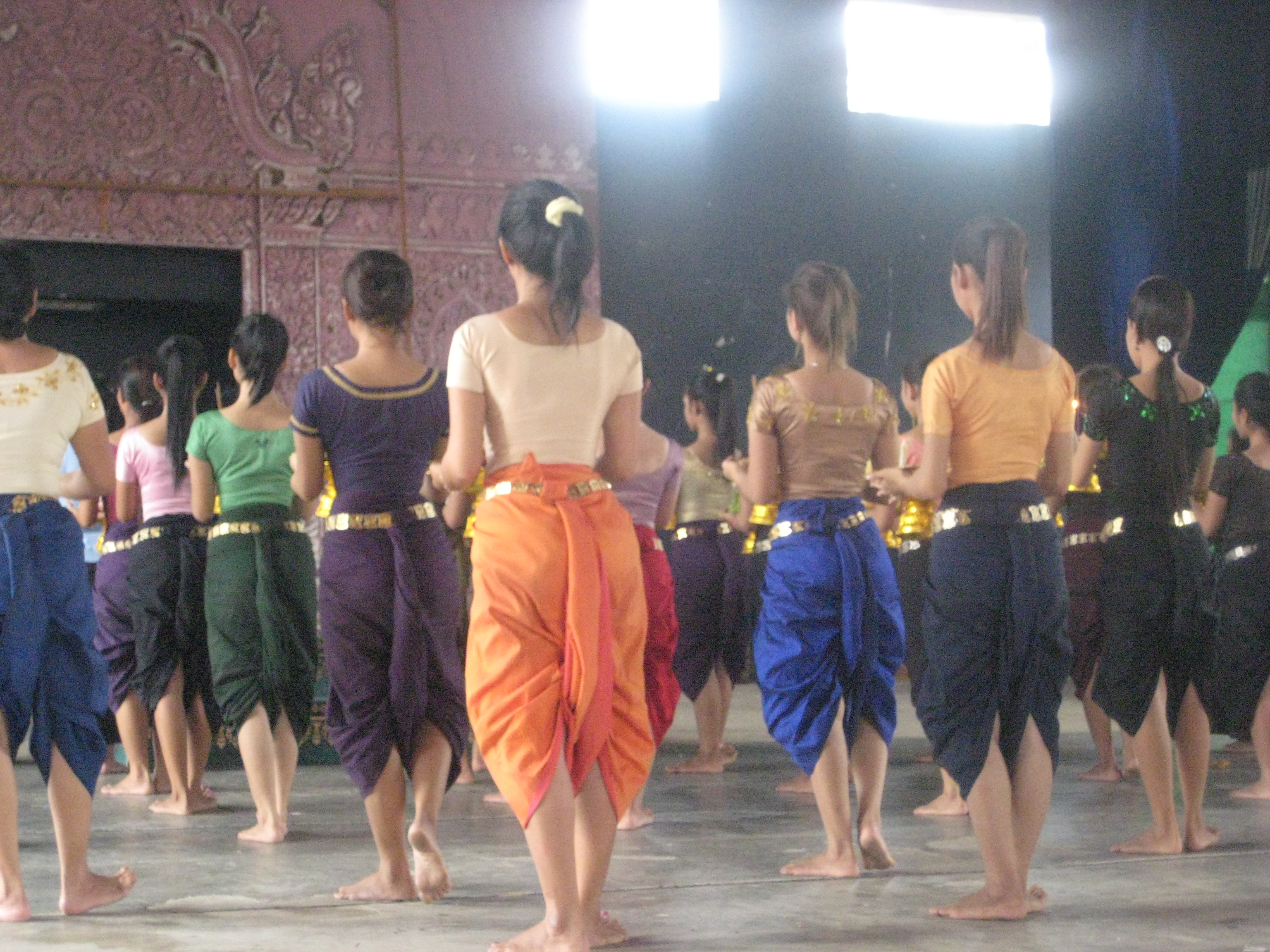
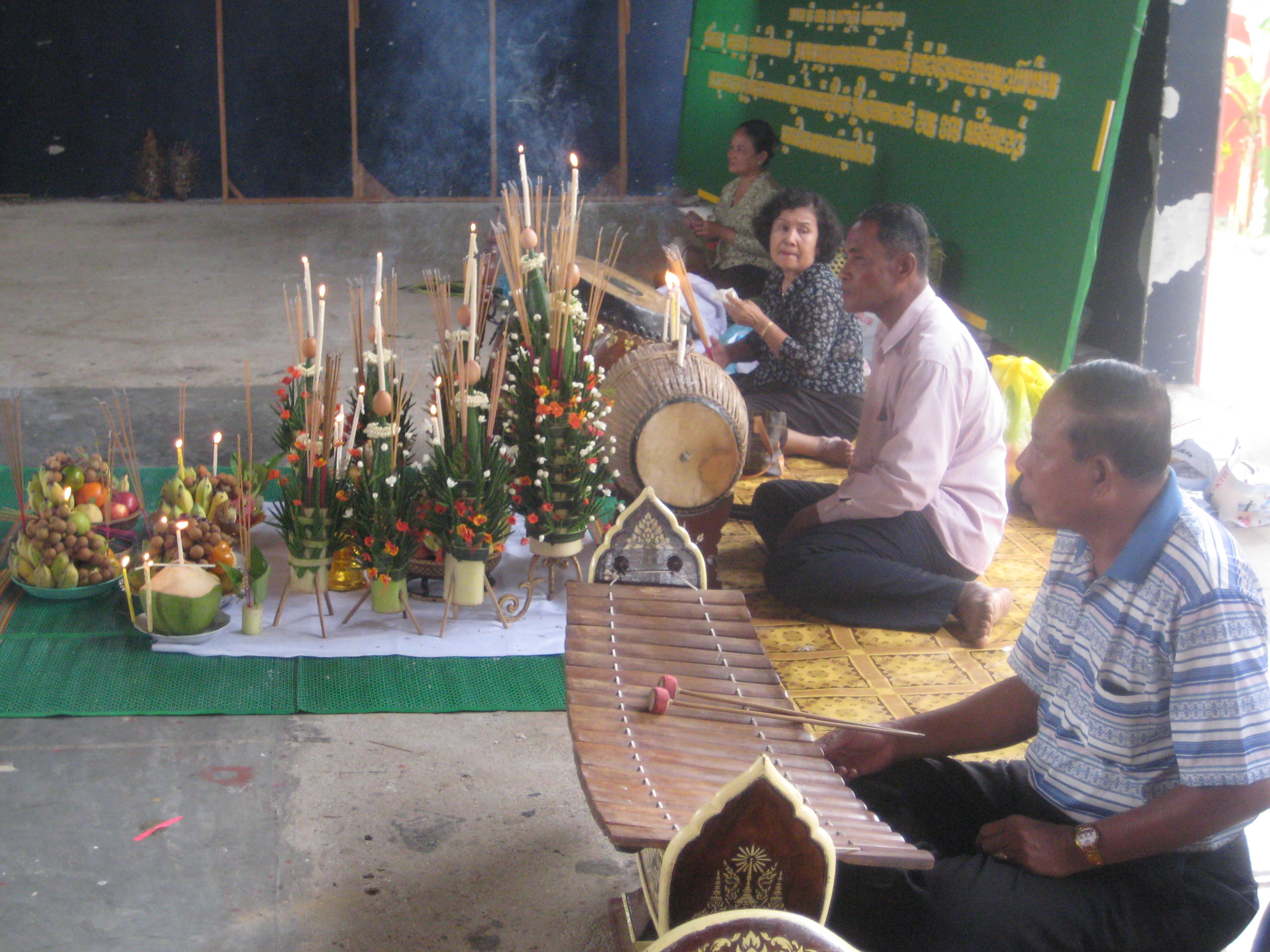
In early 2008 the Royal Cambodian Ballet was scheduled to tour Holland, France and Slovenia. This picture gallery briefly documents a ceremony held on 20 March 2008 in an open theatre space close to the Royal Palace in Phnom Penh at which offerings were made and blessings sought prior to this tour.