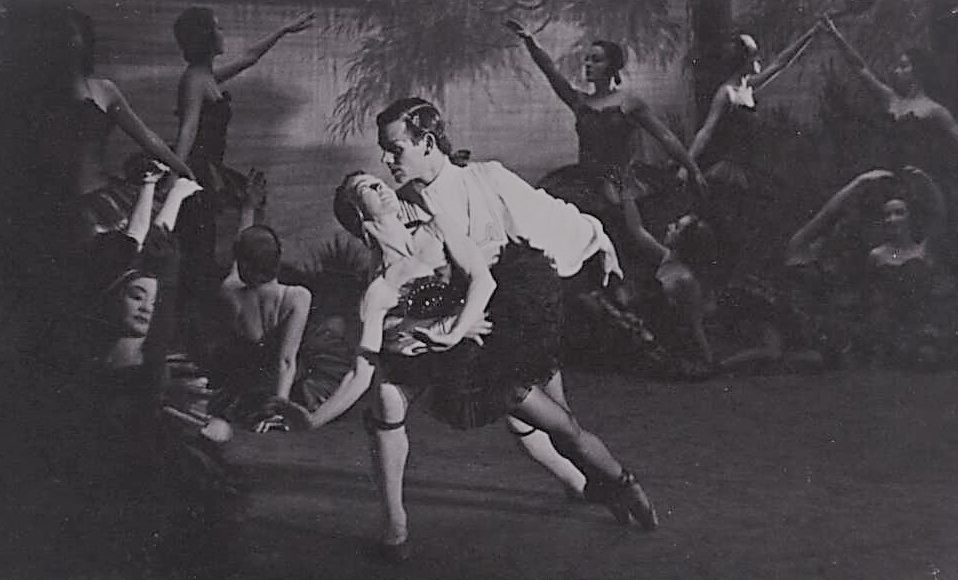
The intrepid Russian ballet dancer, Anna Pavlova, said goodbye to the Maryinksy in St. Petersburg where she had trained and performed to great acclaim, then joined Diaghilev’s Ballets Russes company dancing Giselle, Les Sylphides, Pavillon d’Armide, and more besides. She was offered the title role in the creation of Fokine’s l’Oiseau de Feu/The Firebird but did not like Stravinsky’s score so she turned it down.
Pavlova soon formed her own company, developed her own aesthetic and repertoire, and toured to countries far and wide, ‘taking ballet to the world’. Fokine had created for her Le Cygne/The Swan, to music by Saint-Saens, which she premiered at a charity event for poor and needy mothers and children. That solo became her talisman role in all the following years of international touring to Europe, America, China, Japan, India, Indonesia, Australia and New Zealand. There were 50 dancers and over 20 orchestral musicians in her company. They gave 38 performances in 39 days in New Zealand, and noteworthy that they still managed to produce printed programs with venues, dates and cast lists included, for each season (bring back the day!)—so I can tell from the program who and what my father saw when he attended her performance in Dunedin in 1926.
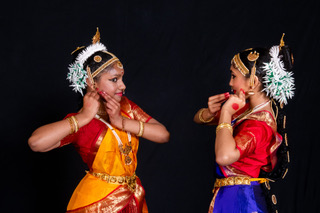
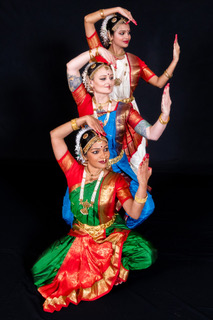
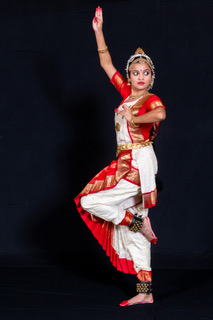
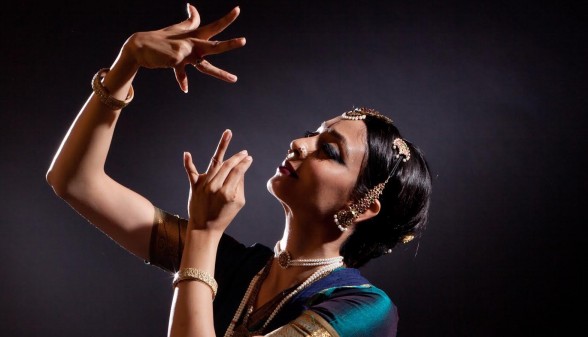
While touring in India, Pavlova encouraged serious interest in local classical dance traditions, resulting in following years in the formation by Sri Rukmini Devi of Kalakshetra, which over time became the world’s leading school of Bharata Natyam (and the alma mater of Vivek Kinra who has taught and performed in Wellington for over thirty years). From little acorns, big oaks grow.
There’s also evidence of the interest in Maori dance that Pavlova and other company dancers, including Harcourt Algeranoff, pursued during their visit to New Zealand in 1926. (See his memoir, My Years with Pavlova. It was my great good fortune to attend both of the inspirational summer schools of residence at the University of New England in Armidale organised by Peggy van Praagh, in 1967 and again in 1969. Algeranoff was present at the first of those schools and gave a spirited demonstration of the Coachmen’s dance from Petrouchka that he had performed with Ballets Russes, and later in the Australian premiere of that ballet. I so looked forward to seeing him again in action at the second of those schools in 1969, but tragically he was killed in a motorbike accident in the intervening year).
There’s a famous photograph of Pavlova’s welcome to Wellington in 1926, with Thurza Rogers, local dancer by then in Pavlova’s company, together with her former teacher Estelle Beere whose studio was considered the leading one in Wellington at the time. The company dancers travelled by rail so were already in Wellington to welcome Pavlova when she arrived driven by car (her own car shipped out, no less!) A Maori man is prominent in the group photo of the occasion and is clearly in the official party.
Film was in its pioneering days in early 20th century. Diaghilev would have no truck with it as it distorted the timing and quality of dance movement, so he put all his investment into commissioning studio photographs instead. Thus, there is no film of Nijinsky dancing, instead there are numerous volumes of studio photographs of that phenomenal artist, surviving as works of art in their own right.
Contemporary re-masterings of whatever film does survive from that era (of Pavlova, Isadora Duncan, Josephine Baker etc.) tend to confirm Diaghilev’s stand as we have no idea what slow motion editing has been employed, and as all dancers know, timing is everything.
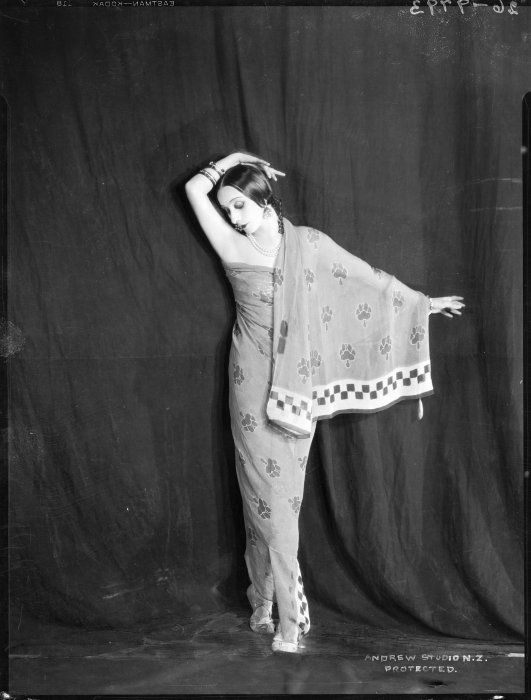
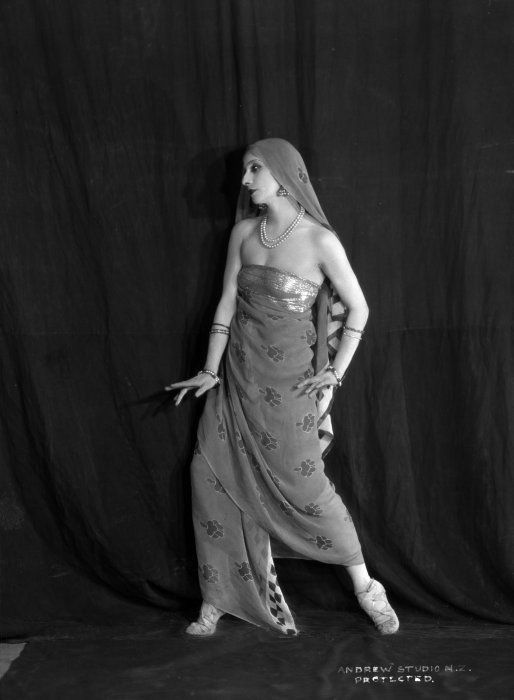
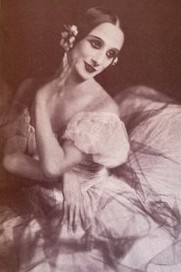
Pavlova too was a firm believer in quality dance photography and she committed a great deal of time, focus and cash to ensuring that numerous photographic sessions were arranged wherever she toured. In Wellington, the celebrated photographer S. P. Andrew worked with her until 2.00am in a post-performance session in the Opera House. He must have stayed up till dawn processing the prints because she subsequently arrived at his studio to view them and was eager to purchase no fewer than 800 prints from him, paying for them in cash. She was especially delighted by his study of her in costume for The Swan—where he had placed a fine black tulle overlay atop her tutu to prevent the glare of a camera flash from shadowing her face—but her hand was somehow lost in the angle of her bodice so, upon her comment to that effect, Andrew drew in by pen her ‘missing’ hand. (You don’t notice this until someone points it out, after which of course it’s all you can see).
To mark the centenary of Pavlova’s visit here, I and a colleague Dr. Ian Lochhead, gave talks at public libraries or art galleries in Wellington, Christchurch and Dunedin. It was of real interest to speak with attendees after the talks, to learn how their personal history and interest in dance had developed, where, when and with whom. The ephemeral art of dance only survives in books and memories, so we are duty bound to keep those flowing. Obliging librarians in Wellington, Christchurch and Dunedin provided book displays and handouts with selected book titles (Cyril Beaumont and Paul Magriel might be my current favourites among them).
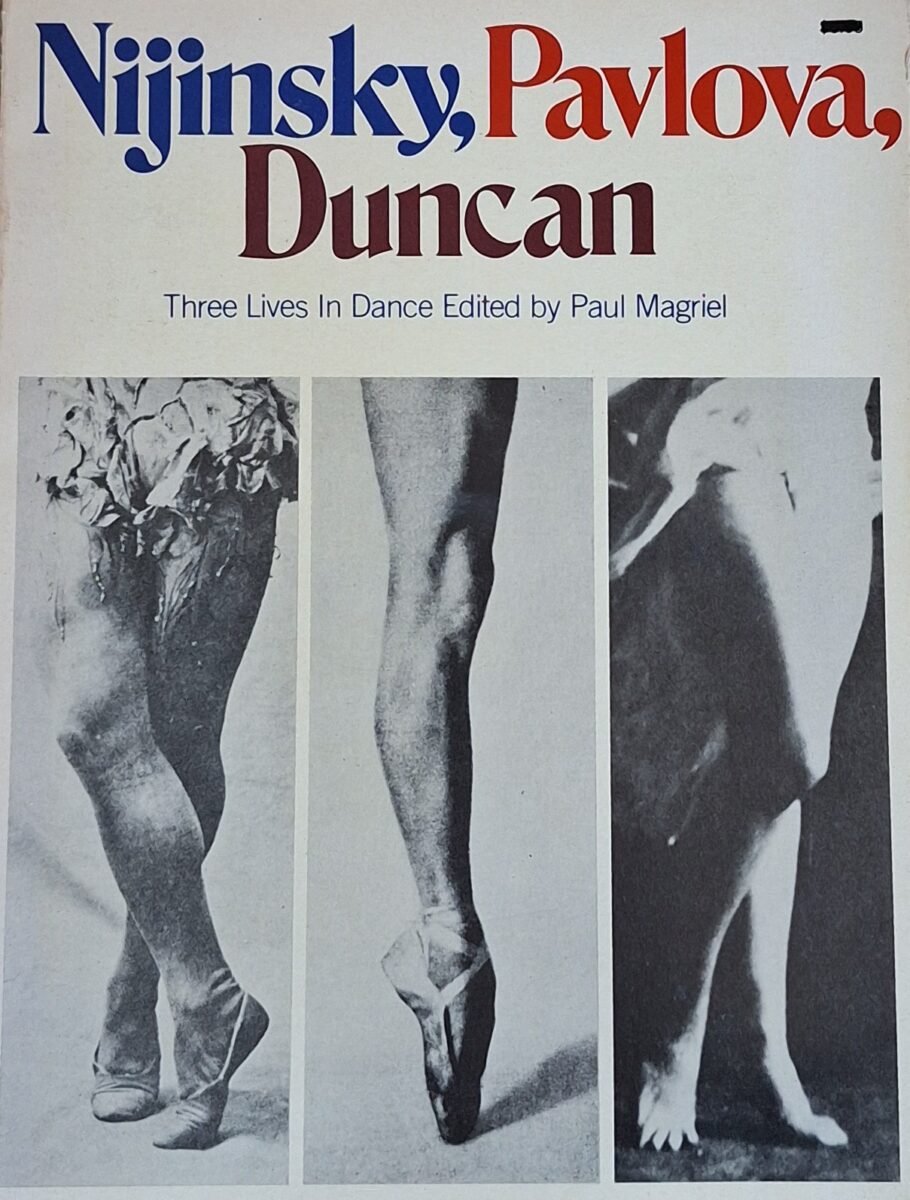
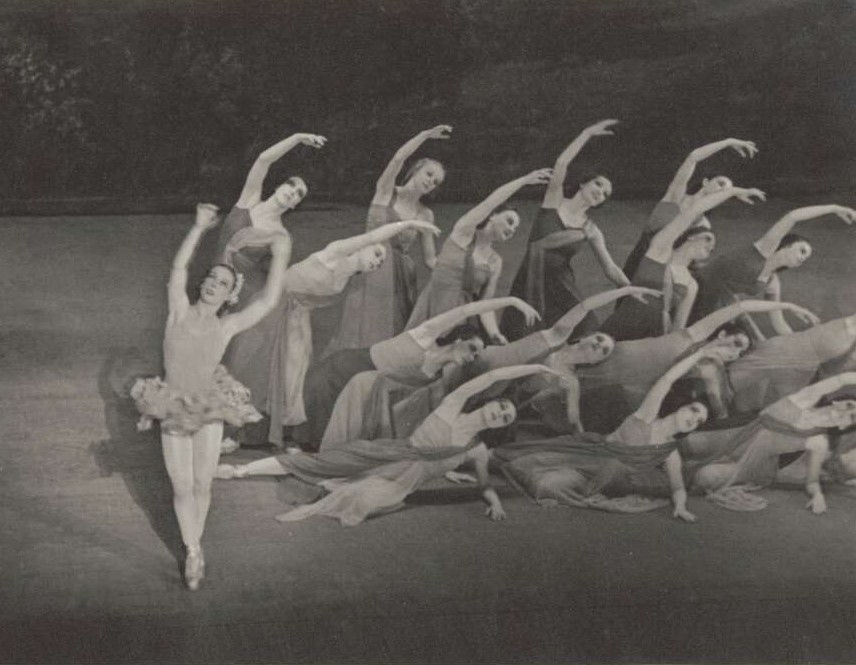
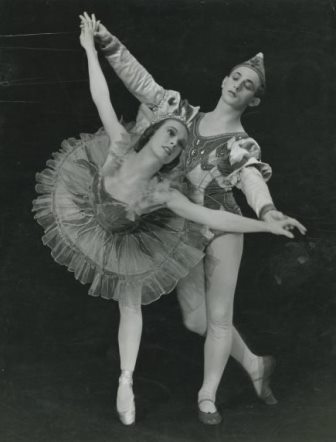
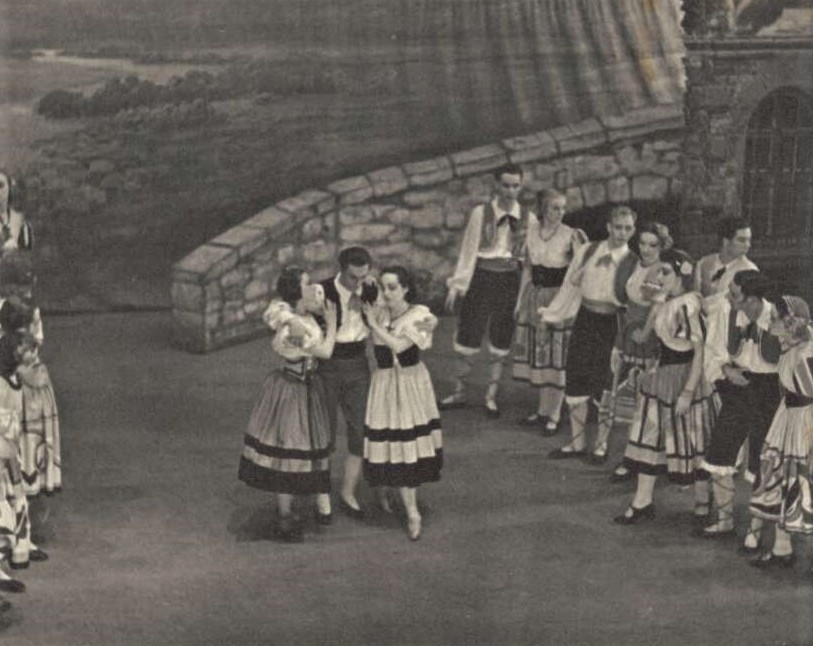
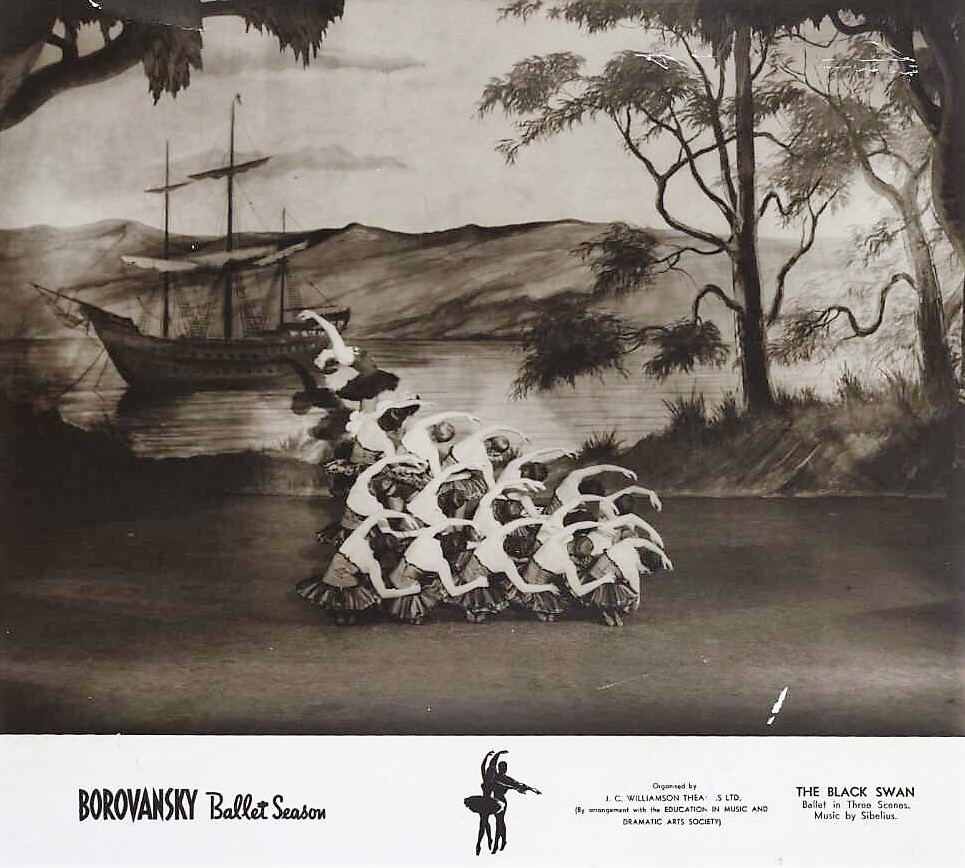
Edouard Borovansky stayed behind in Australia after Pavlova’s company returned to Europe. He brought his own company many times to New Zealand—which is how my generation came to know the European ballet repertoire. Poul Gnatt came with the company on its 1952 visit, then returned the following year to form the New Zealand Ballet. The rest is history. How lucky was I to be among his first intake of pupils in Auckland. I remember his classes as yesterday.
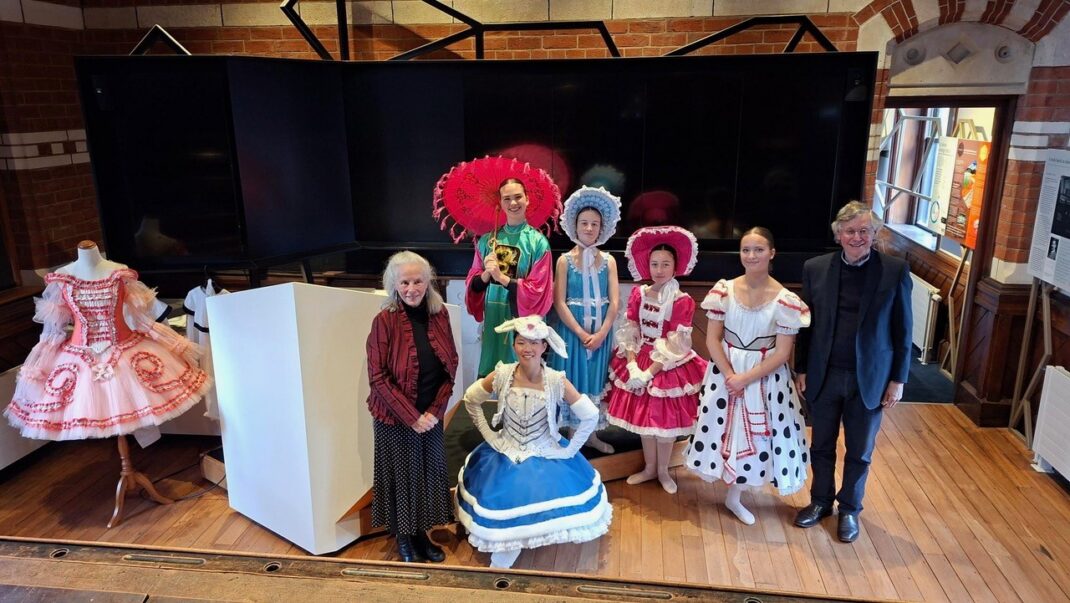
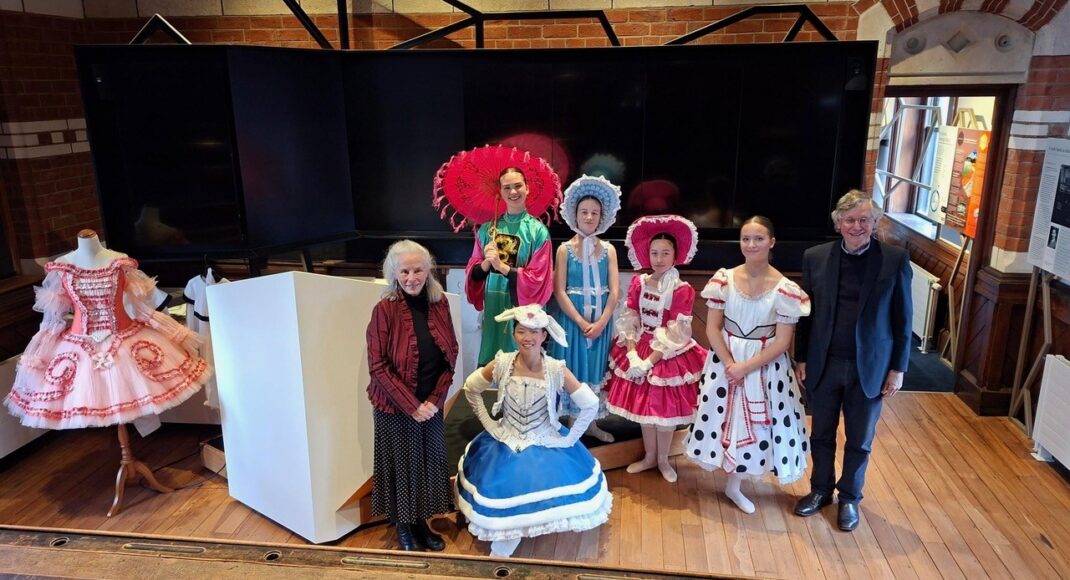
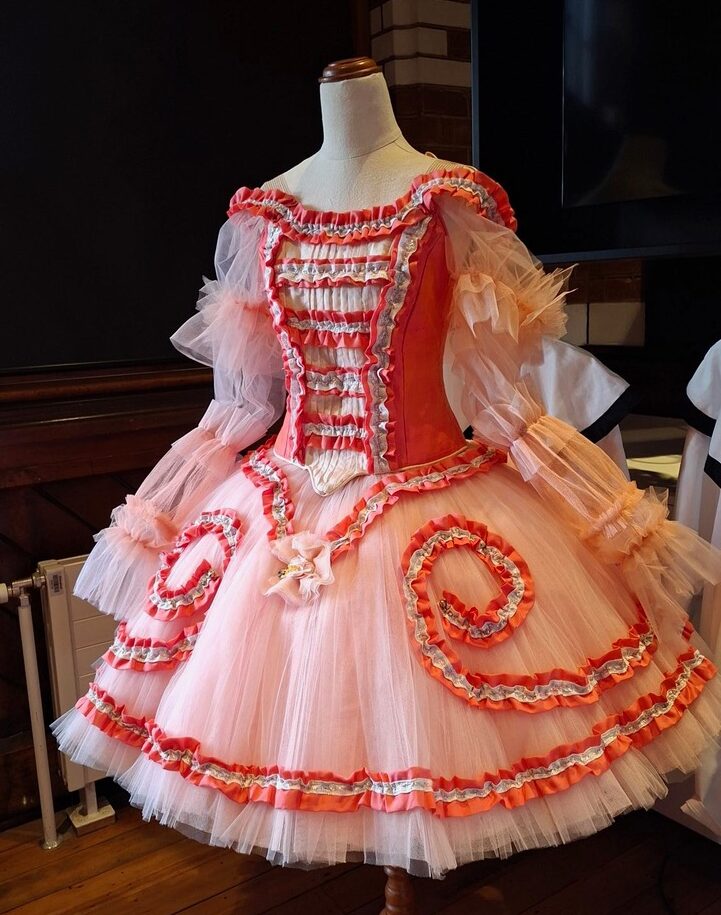
Counterpointe in Christchurch, directed by Monica Brosnahan, is the only ballet school left in this country providing live music accompaniment for classes and performances. (Top marks to them. Canned music is used everywhere else). Counterpointe ‘s current project is to reconstruct costumes from original designs for The Fairy Doll, in which Pavlova had danced—and to perform that in their recital on 13 December (check their website for performance details), to a 16 piece orchestra that their music director, Daniel Cooper, will conduct. (Music by Bayer, choreography N & S Legat, and I. Khlyustin). The young costumed dancers attended our talk at the Christchurch Arts Centre, hanging on every word. May they have long dancing lives.
I thought those of us who believe that dance and music are but two aspects of the same art were a dying breed these days. Indian and Maori tradition have never separated the two arts. Counterpointe gives renewed hope to the rest of us, and Pavlova would be comforted too.
Jennifer Shennan, 20 October 2026
UPDATE (MP, 21 October 2026): Below is the image mentioned above in which photographer S. P. Andrew added the ‘missing hand’. With thanks to Jennifer for providing it.
Featured image: In Christchurch during the lecture on Pavlova in New Zealand given by Jennifer Shennan and Dr Ian Lochhead. Photo: © Daniel Cooper